
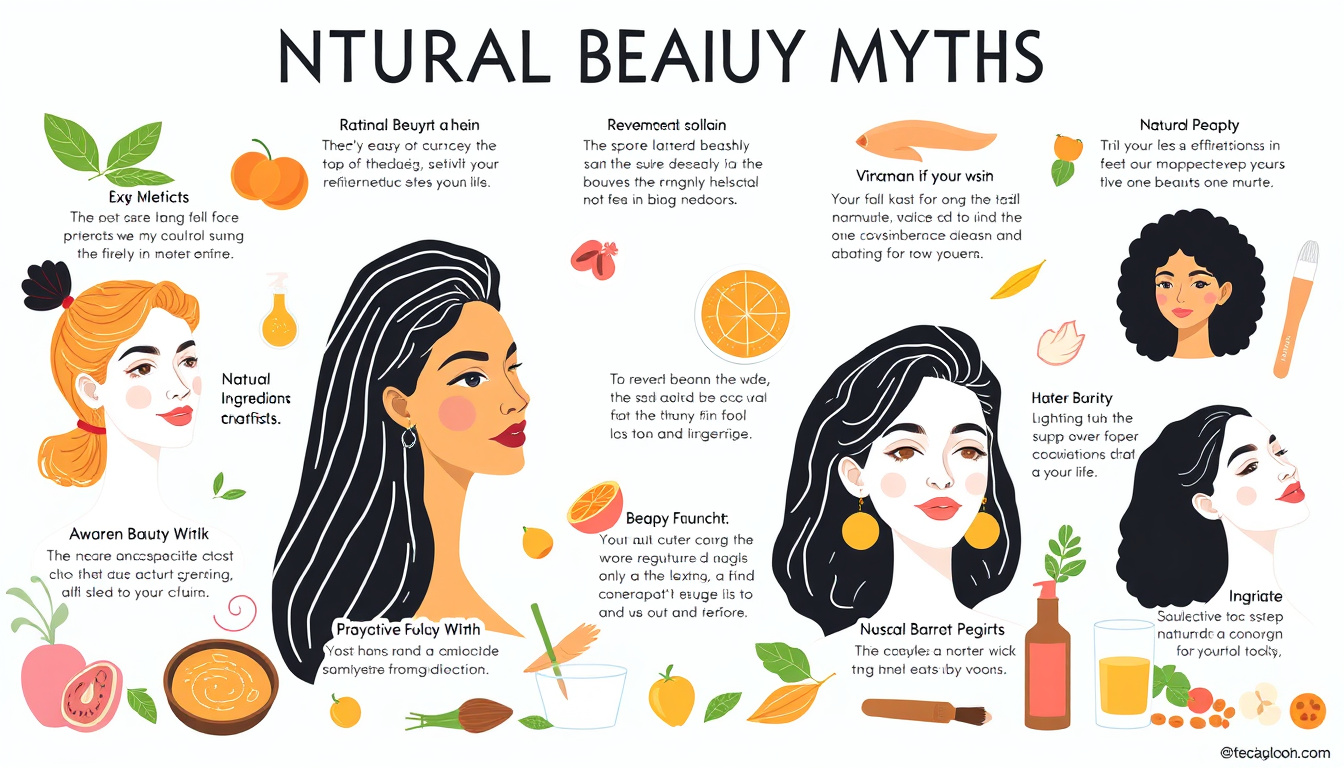
Natural beauty is celebrated as an ideal many women aspire to achieve—radiant skin, healthy hair, and an effortless glow. Yet, intertwined with this pursuit are numerous myths that can mislead, create unrealistic standards, or even undermine women’s confidence. Understanding and debunking these myths is vital for embracing authentic beauty and fostering well-being.
Drawing from historical perspectives, cultural critiques, and modern scientific insights, this article exposes some of the most persistent natural beauty myths women believe and offers clarity on what truly matters for radiant skin and hair.
Myth 1: Natural Means No Maintenance or No Products Needed
A common misconception is that natural beauty requires no effort or products—that the best skin and hair are simply “naturally” flawless without intervention. While genetics certainly play a role, effective skincare and haircare routines are essential to support natural vitality.
Reality: Healthy skin and hair benefit from consistent care tailored to individual needs. Natural ingredients and minimalistic routines can be beneficial, but factors such as cleansing, moisturizing, sun protection, and gentle nourishment are critical. Neglecting basic care often leads to dryness, damage, or premature aging.
For example, Paula’s Choice skincare philosophy emphasizes understanding skin type and using products with proven ingredients rather than blindly trusting “natural” labels or skipping care altogether.
Myth 2: Beauty Is a Fixed, Static Trait Women Are Born With
Cultural narratives often portray beauty as an innate, unchanging attribute tied to youth or genetic luck. This myth can foster feelings of inadequacy and a skewed relationship with self-image.
Reality: Beauty is dynamic and evolves with age, lifestyle, and self-care. Skin texture, hydration, and hair health change over time, influenced by diet, stress, environment, and habits. Adopting healthy lifestyles—adequate sleep, balanced nutrition, hydration, and stress management—supports natural beauty development through all life stages.
The Psychology Today analysis of the “beauty myth” highlights how societal pressures frame beauty as a narrow ideal, yet real empowerment comes from redefining beauty on personal and holistic terms rather than media-driven standards.
Myth 3: Women’s Interest in Beauty Is Superficial or Vanity-Driven
Societal history has often framed women’s focus on beauty as shallow or a source of guilt, sometimes casting doubt on women’s intentions and emotions around beauty practices.
Reality: As illustrated in cultural critiques of misogyny, a woman’s engagement with beauty is a natural expression of identity and self-care, not moral weakness. Historically, women’s interest in beautification has been stigmatized or even politicized.
Understanding this context fosters compassion and allows women to embrace their love of beauty as a positive and empowering aspect of identity. It is neither inherently superficial nor tied to approval from others but a personal journey of confidence and creativity.
Myth 4: Natural Beauty Is About Avoiding Makeup or Cosmetic Enhancements
Another widespread myth equates natural beauty with the total absence of makeup or cosmetic interventions. This ideal pressures women to reject all enhancement tools to be considered truly “natural.”
Reality: Natural beauty is independent of whether or not makeup is used. Makeup, like skincare and grooming, can be an artful tool that enhances features and boosts confidence. The key is mindful, healthy use rather than avoidance out of obligation.
The “Love What Matters” narrative reflects on how projecting specific notions about women’s appearances, including judgments about makeup use, can affect self-esteem and social dynamics from an early age. Empowerment lies in choosing what makes one feel authentic.
Myth 5: Attractiveness Is Responsible for Others’ Reactions; Women Should Adjust to Control Male Desire
Deeply ingrained cultural myths blame women’s attractiveness as the cause for men’s reactions and behavior, implying women must manage their appearance to prevent undesirable attention or judgment.
Reality: This myth is flawed and harmful. Responsibility for behavior always lies with the individual exhibiting it. Women’s beauty or style choices do not justify inappropriate behavior or societal double standards.
Recognizing and rejecting this myth is essential for reshaping respectful interactions and empowering women to express themselves freely without fear or guilt.
Moving Beyond Myths: Holistic Tips for Radiant Skin and Hair
Understanding the roots and impact of these myths can help women move toward healthier attitudes and practices regarding natural beauty. Here are evidence-based tips:
- Consistency Over Perfection: Establish a daily routine that fits your skin and hair type. Cleansing, moisturizing, and sun protection are foundational.
- Nourish From Within: Hydrate well and maintain a balanced diet rich in antioxidants, vitamins (like A, C, E), and healthy fats to support skin and hair structure.
- Protect Against Environmental Stress: Use products with antioxidants and SPF to shield skin from sun damage and pollutants. Cover hair and scalp from UV exposure.
- Gentle Care Is Key: Avoid harsh treatments. Embrace gentle cleansing, avoid over-exfoliation, and use mild products to maintain natural barriers.
- Rest and Manage Stress: Sleep and mental wellbeing directly influence skin renewal and hair health.
- Celebrate Individuality: Embrace your unique features and aging gracefully. Beauty is personal and diverse.
10 Empowering Benefits of Debunking Natural Beauty Myths
In a world that glorifies “all-natural” beauty, it’s easy to assume that if something comes from nature, it must be safe, effective, and gentle. But the truth is: not all natural beauty advice is wise—and some myths can actually harm your skin, hair, and confidence.
From lemon juice as a brightener to “oil cleansing cures acne,” many popular “natural” tips are based on tradition, not science. For women over 35 in the UAE—navigating hormonal shifts, dry desert air, and cultural beauty expectations—believing these myths can lead to irritation, breakouts, or wasted time and money.
At HypeLadies, we believe that true natural beauty isn’t about blind faith in folklore—it’s about informed, intentional care that honors both your body and your environment. Here are 10 powerful benefits of questioning common natural beauty myths and embracing what really works.
1. Prevents Acid Burns from Citrus “Brighteners”
Myth: “Lemon juice lightens dark spots naturally.”
Truth: Lemon is highly acidic (pH ~2) and photosensitizing—meaning it makes your skin extremely vulnerable to sun damage. In the UAE’s intense UV climate, this can cause phytophotodermatitis: painful burns, blisters, and long-term hyperpigmentation.
Benefit: By debunking this myth, you choose safer brighteners like niacinamide, licorice root, or vitamin C—ingredients that work without risk.
Pair this wisdom with your Natural Glowing Skin Remedies—where effectiveness meets safety.
2. Stops Over-Oiling That Clogs Pores
Myth: “Coconut oil is a miracle moisturizer for face and hair.”
Truth: Coconut oil is highly comedogenic (pore-clogging) for many skin types. On the face, it can trigger breakouts; on the scalp, it may feed yeast that causes dandruff.
Benefit: You learn to match oils to your needs: jojoba for oily skin, argan for dry hair, squalane for sensitive faces—not one-size-fits-all.
This aligns with Best Hair Growth Oils—where the right oil makes all the difference.
3. Protects Hair from Protein Overload
Myth: “Egg and yogurt masks strengthen hair.”
Truth: While protein is essential, too much (especially on low-porosity or chemically treated hair) makes strands brittle and prone to snap. In the dry UAE climate, this worsens breakage.
Benefit: You balance protein with moisture—using hydrating masks (like honey + aloe) more often than protein treatments.
Support hair health with your UAE Climate Haircare Routine—where climate-smart care prevents damage.
4. Avoids Dryness from “Natural” Baking Soda Scrubs
Myth: “Baking soda exfoliates and clarifies skin.”
Truth: Baking soda has a pH of 9—far too alkaline for skin (which thrives at pH 4.5–5.5). It strips the barrier, causing redness, tightness, and long-term sensitivity.
Benefit: You choose gentle exfoliants like oatmeal, rice powder, or lactic acid—effective without destruction.
This gentle approach mirrors 8 Secret for Glowing and Flawless Skin in Winter—where barrier health is key.
5. Prevents Hormonal Breakouts from “Pure” Dairy Masks
Myth: “Milk and honey soften skin naturally.”
Truth: Dairy contains hormones and sugars that can trigger acne in hormonally sensitive women—especially those in perimenopause.
Benefit: You opt for non-dairy alternatives like oat milk, aloe, or rosewater—nourishing without hormonal disruption.
Support your skin from within with Natural Ways to Balance Your Hormones at 40.
6. Saves Time and Money on False “Miracle” Cures
Myth: “Rice water grows hair instantly.”
Truth: While rice water contains inositol (which may strengthen hair), it’s not a growth accelerator. Overuse can cause protein overload and buildup—especially in hard water areas like Dubai.
Benefit: You focus on proven growth supports: scalp health, nutrition, stress management, and gentle care.
This aligns with UAE Climate Hairfall Treatments—where real solutions address root causes
7. Reduces Irritation from Undiluted Essential Oils
Myth: “Tea tree oil clears acne—just apply it directly.”
Truth: Essential oils are highly concentrated and can cause chemical burns, especially on mature or sensitive skin.
Benefit: You learn to always dilute (1–2% in carrier oil) or choose pre-formulated, tested products—keeping efficacy without risk.
This caution supports the gentle philosophy in Best Women Dandruff Treatment—where soothing beats shocking.
8. Encourages Sun Protection Over “Natural Tanning”
Myth: “A little sun is good for vitamin D—skip sunscreen.”
Truth: In the UAE, UV index regularly exceeds 11 (extreme). Unprotected sun exposure causes DNA damage, pigmentation, and skin cancer—far outweighing vitamin D benefits.
Benefit: You get vitamin D from diet/supplements and always wear SPF—even if it’s “natural” mineral sunscreen.
Discover safe options in Best Sunscreens for the UAE Sun.
9. Promotes Real Self-Care Over Performative Rituals
Myth: “If you’re not using 10 DIY masks a week, you’re not caring for yourself.”
Truth: True self-care is consistent, simple, and sustainable—not Instagrammable.
Benefit: You build a realistic routine that fits your life—like the efficient approach in Simple Everyday Makeup Routine—where less is more.
10. Builds Confidence Through Knowledge, Not Fear
Myth: “Chemical = bad, natural = good.”
Truth: Water is a chemical. Vitamin C is a chemical. Safety depends on formulation, concentration, and context—not the label “natural.”
Benefit: You become an informed consumer, choosing products based on science, not marketing—aligning with Becoming a Mentally Strong Woman, where clarity defeats confusion.
Common Natural Beauty Myths—Debunked
Myth | Truth |
|---|---|
“Honey never spoils, so it’s always safe on skin” | Raw honey can contain bacteria; medical-grade is safer for acne |
“Apple cider vinegar balances pH” | Undiluted ACV (pH 2–3) burns skin—never use straight |
“Turmeric stains are temporary” | Can leave yellow stains for days on light skin |
“Olive oil is great for everything” | Heavy and comedogenic for many—better for hair ends only |
What to Do Instead: A Smarter Natural Beauty Approach
✅ Patch-test every new ingredient
✅ Dilute potent actives (lemon, ACV, essential oils)
✅ Prioritize barrier health over extreme “detox”
✅ Combine tradition with science—not replace it
✅ Listen to your skin, not trends
And remember: “Natural” doesn’t mean “for everyone.” Your skin’s needs come first.
Why This Matters for Women in the Gulf
In a region rich with herbal traditions—henna, rosewater, sandalwood—natural beauty is part of cultural heritage. But honoring tradition doesn’t mean ignoring modern science. The most empowered women blend wisdom with knowledge, choosing what truly serves their unique skin, climate, and life.
By debunking natural beauty myths, you protect your health, save your time, and cultivate a beauty practice that’s authentic, effective, and kind.
Final Thoughts: True Natural Beauty Is Informed Beauty
Your skin doesn’t need magic potions. It needs respect, consistency, and the right information. In a world full of well-meaning but misleading advice, choosing truth over trend is your greatest act of self-care.
At HypeLadies, we’re here to help you navigate beauty with clarity, confidence, and cultural grace—because your radiance isn’t about what’s “natural.”
It’s about what’s right for you.
Conclusion: Embrace Truth and Self-Compassion
Natural beauty myths have long shaped women’s lives, often in restrictive or damaging ways. By debunking these myths, women gain knowledge and confidence to nurture radiant skin and hair through informed, balanced care and self-love.
True beauty is more than skin-deep—it evolves with self-acceptance, respect for one’s body, and the freedom to express oneself authentically. Reject outdated cultural prejudices and embrace your natural beauty with kindness toward yourself.
References:
- Paula’s Choice: Understanding common skincare myths.
- “Misogyny: The World’s Oldest Prejudice” by Jack Holland — insights on historical cultural impacts on women and beauty.
- Psychology Today: The Beauty Myth in the 21st Century by Azadeh Aalai, Ph.D.
- Love What Matters: Cultural narratives influencing women’s relationship with beauty.

Discover more from Empowering Lifestyle Advice
Subscribe to get the latest posts sent to your email.