
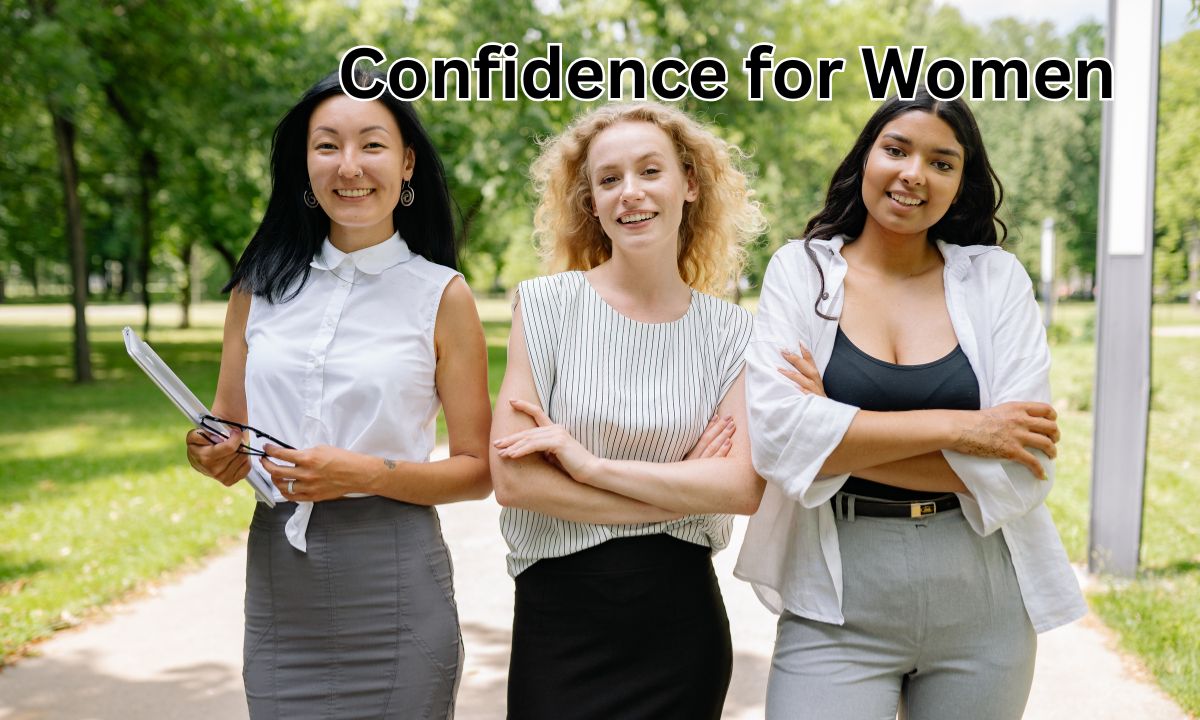
Confidence for Women: The Ultimate Guide to Building Self-Confidence, Self-Esteem & Becoming a Confident Woman
Every woman deserves to walk into a room with her head held high, speak her mind without second-guessing, and pursue her dreams with unwavering belief in herself. Yet, the journey to genuine confidence remains one of the most challenging yet rewarding paths a woman can take. Whether you’re navigating the corporate world, managing relationships, or simply trying to find your authentic voice, understanding and cultivating confidence is essential to living your best life.
This comprehensive guide explores what confidence truly means for women, how to build it from the ground up, and why it’s different from simply “feeling good” about yourself. You’ll discover actionable strategies, understand the psychology behind self-assurance, and learn how to maintain confidence even when life throws curveballs your way.
What Is Confidence for Women?
Confidence for women is the deep-rooted belief in your abilities, worth, and judgment—regardless of external validation or circumstances. It’s the internal knowing that you are capable, deserving, and equipped to handle whatever comes your way. Unlike arrogance, which stems from insecurity and the need to prove superiority, true confidence is quiet, grounded, and rooted in self-awareness.
For women specifically, confidence often involves breaking free from societal expectations, overcoming gender-based limitations, and developing resilience in the face of criticism or doubt. It’s about trusting yourself enough to become a successful business woman, speak up in meetings, set healthy boundaries in relationships, or simply wear what makes you feel good without seeking approval.
What Is Confidence in a Woman?
When we talk about confidence in a woman, we’re describing an observable quality that radiates from within. It manifests as:
- Body language: Maintaining eye contact, standing tall with shoulders back, and moving with purpose
- Communication style: Speaking clearly, articulating thoughts without excessive apologizing or minimizing
- Decision-making: Making choices aligned with personal values without constant validation-seeking
- Emotional regulation: Managing setbacks, criticism, and challenges with composure
- Self-presentation: Dressing authentically and carrying oneself with dignity
Confidence in a woman doesn’t mean she never experiences doubt or fear. Rather, it means she acknowledges these feelings but doesn’t let them paralyze her into inaction. She understands that becoming mentally strong is an ongoing process, not a destination.
What Is a Confident Woman?

A confident woman embodies several key characteristics that distinguish her from those still searching for self-assurance:
Authenticity: She stays true to herself, even when it’s unpopular or uncomfortable. She doesn’t contort herself to fit others’ expectations or compromise her values for acceptance.
Self-efficacy: She believes in her ability to achieve goals and overcome obstacles. When facing challenges, her first thought is “How can I solve this?” rather than “I can’t do this.”
Emotional intelligence: She understands and manages her emotions while also recognizing and responding appropriately to others’ feelings. This emotional awareness allows her to navigate complex social situations with grace.
Resilience: She bounces back from setbacks, viewing failures as learning opportunities rather than reflections of her worth. This resilience is what enables her to be an effective woman in the workplace and beyond.
Assertiveness: She communicates her needs, desires, and boundaries clearly and respectfully, without aggression or passivity.
Self-compassion: She treats herself with the same kindness and understanding she’d offer a good friend, especially during difficult times.
A confident woman might be the CEO who negotiates fearlessly, the stay-at-home mom who advocates fiercely for her children, the artist who creates without seeking constant validation, or the woman who simply knows her worth and refuses to settle for less. Confidence transcends professions, ages, and life circumstances.
What Makes a Woman Confident?
Confidence doesn’t emerge fully formed; it’s cultivated through specific practices, experiences, and mindset shifts. Understanding what builds confidence empowers you to actively develop it in your own life.
1. Self-Knowledge and Self-Acceptance
True confidence begins with knowing yourself deeply—your strengths, weaknesses, values, triggers, and desires. This self-awareness allows you to:
- Leverage your natural talents and abilities
- Acknowledge areas for growth without shame
- Make decisions aligned with your authentic self
- Set realistic expectations based on your actual capabilities
Self-acceptance means embracing all parts of yourself, including imperfections. It’s recognizing that you don’t need to be perfect to be worthy, valuable, or capable. Many women find that working on glowing skin and physical wellness helps them feel more confident, but true confidence transcends physical appearance.
2. Competence and Skill Development
Confidence grows when you invest in building genuine competence. The more skilled you become in areas that matter to you, the more your confidence naturally increases. This might involve:
- Pursuing education or professional development
- Practicing until you master difficult tasks
- Acquiring new skills that expand your capabilities
- Developing expertise in your field or passion areas
The confidence that comes from competence is sustainable because it’s rooted in reality. You’re not merely telling yourself “I can do this”—you know you can because you’ve done it before.
3. Positive Self-Talk and Mindset
The internal dialogue you maintain significantly impacts your confidence levels. Confident women actively challenge negative self-talk and replace it with realistic, encouraging thoughts. Instead of “I’m terrible at this,” try “I’m learning, and I’m improving with practice.”
This doesn’t mean delusional positivity or ignoring legitimate concerns. Rather, it’s about being your own supportive coach rather than your harshest critic. Many powerful women attribute their success to mastering their inner narrative.
4. Taking Action Despite Fear
Confidence isn’t about never feeling afraid—it’s about acting despite the fear. Each time you step outside your comfort zone and survive (or even thrive), you build evidence for your brain that you’re capable of handling challenges.
Start small if needed. Maybe it’s speaking up in a meeting, trying a new fitness class, or applying for a stretch position. Each small win accumulates, creating a foundation of confidence built on real experiences. Consider how walking 30 minutes daily can transform not just your body but your confidence through consistent action.
5. Surrounding Yourself with Support
Confident women understand they don’t have to go it alone. Having a supportive network of friends, mentors, and allies who believe in you reinforces your own self-belief. These relationships should:
- Encourage your growth and celebrate your wins
- Provide honest feedback when needed
- Challenge you to think bigger and aim higher
- Support you through setbacks and disappointments
Equally important is distancing yourself from people who undermine your confidence through constant criticism, jealousy, or negativity.
6. Setting and Achieving Goals
Nothing builds confidence like consistently setting goals and achieving them. Start with manageable objectives that stretch you slightly beyond your current capabilities. As you accomplish these goals, you create a track record of success that fuels further confidence.
Whether your goals relate to financial independence, health and wellness, career advancement, or personal development, the process of working toward something meaningful builds self-trust and capability.
7. Physical Wellness and Self-Care
While confidence isn’t solely about appearance, taking care of your physical health contributes to how you feel about yourself. Regular exercise, adequate sleep, nutritious eating, and proper self-care signal to yourself that you’re worth investing in.
Many women find that focusing on losing belly fat or achieving fitness goals helps them feel more energized and capable, which naturally boosts confidence. However, the goal should be feeling strong and healthy rather than meeting arbitrary beauty standards.
8. Experience and Age
Confidence often increases with age and experience. As women navigate life’s challenges, learn from mistakes, and accumulate wisdom, they naturally develop greater self-assurance. This is why many women report feeling more confident in their 40s and 50s than they did in their 20s—they’ve simply lived long enough to know what they’re capable of.
What Does Confidence Look Like in a Woman?

Recognizing confidence in yourself and others helps you cultivate it more intentionally. Here’s how confidence typically manifests:
Physical Indicators
Posture and Presence: A confident woman stands tall, shoulders back, taking up space without apology. Her movements are purposeful rather than hesitant or fidgety.
Eye Contact: She maintains appropriate eye contact during conversations, neither staring aggressively nor looking away submissively.
Voice and Speech: Her voice is clear and projected adequately for the situation. She speaks at a measured pace, avoiding excessive filler words or upspeak that undermines authority.
Facial Expressions: Her expressions are congruent with her words, and she smiles genuinely rather than using a smile as a constant appeasement tool.
Style Choices: She dresses in a way that feels authentic to her, whether that’s elegant business casual, casual comfort, or bold fashion statements. Her clothing choices reflect her personality rather than desperate attempts to impress or hide.
Behavioral Indicators
Boundary Setting: She clearly communicates what she will and won’t accept, following through with consequences when boundaries are violated.
Decisiveness: She makes decisions efficiently without excessive rumination or constant reassurance-seeking from others.
Initiative: She takes action on opportunities rather than waiting for permission or perfect conditions.
Handling Criticism: She receives feedback gracefully, considering it objectively rather than immediately internalizing it as a personal attack or dismissing it defensively.
Celebrating Others: Her confidence is secure enough that she can genuinely celebrate others’ successes without feeling threatened or comparing herself negatively.
Asking for What She Wants: Whether negotiating salary, requesting help, or expressing desires in relationships, she advocates for herself clearly and without apology.
Emotional Indicators
Self-Trust: She trusts her judgment and intuition, making decisions aligned with her values even when others disagree.
Emotional Stability: While she experiences the full range of emotions, she doesn’t let temporary feelings dictate major decisions or behaviors.
Comfort with Uncertainty: She tolerates not having all the answers and remains steady even in ambiguous situations.
Self-Compassion: When she makes mistakes or falls short, she treats herself kindly while taking responsibility and learning from the experience.
Example of Confident and Confidence
Understanding the practical difference between these terms helps you use them correctly and think more clearly about building confidence:
Confidence (noun): The state or quality of being certain about something or trusting in your abilities.
- Example: “Her confidence grew as she successfully completed each challenging project.”
- Example: “Financial confidence comes from understanding your money and having a solid plan.”
- Example: “Building confidence requires consistent action and self-reflection.”
Confident (adjective): Feeling or showing certainty about something or belief in yourself.
- Example: “She felt confident walking into the interview because she’d prepared thoroughly.”
- Example: “A confident woman doesn’t need constant validation from others.”
- Example: “He was confident that she could handle the presentation alone.”
Think of confidence as the internal resource or state, while confident describes how that state manifests in feelings, appearance, or behavior.
When to Use Confidence and Confident
The choice between these words depends on the grammatical structure of your sentence:
Use “Confidence” When:
- You need a noun to describe the quality itself: “Self-confidence is essential for success.”
- You’re discussing levels or amounts: “She has tremendous confidence in her abilities.”
- You’re referring to it as something to build, develop, or possess: “Building confidence takes time and practice.”
- You’re using it with prepositions: “confidence in yourself,” “confidence about the decision”
Use “Confident” When:
- You need an adjective to describe a person or their state: “She is a confident speaker.”
- You’re describing how someone feels: “I feel confident about this choice.”
- You’re modifying a noun: “She gave a confident presentation.”
- You’re completing a comparative or superlative: “more confident,” “most confident”
Both words share the same Latin root “confidere,” meaning “to have full trust” or “to believe firmly.” Understanding this etymology reminds us that confidence is fundamentally about trust—specifically, trusting yourself.
My Confidence or Confident?
This common confusion stems from mixing up the noun and adjective forms. Here’s the clarification:
“My confidence” is correct when referring to the quality you possess:
- “My confidence has grown tremendously this year.”
- “I lost my confidence after that failure.”
- “Building my confidence is my top priority.”
“My confident” is incorrect as a standalone phrase because “confident” is an adjective and cannot follow a possessive pronoun this way.
However, “confident” works in these structures:
- “I am confident” (describing your state)
- “I feel confident” (describing your feeling)
- “My confident approach” (modifying a noun)
- “My most confident self” (part of a larger noun phrase)
If you find yourself unsure, try substituting a similar adjective like “happy.” You wouldn’t say “my happy” alone, but you would say “my happiness” (noun) or “I am happy” (adjective). The same principle applies to confidence/confident.
Confidence vs Self-Confidence
While often used interchangeably, these terms have subtle but meaningful distinctions:
Confidence
Confidence can be general or specific. You might have confidence in:
- Another person’s abilities
- The outcome of a situation
- The reliability of a system or process
- A specific prediction or assessment
For example: “I have confidence that the weather will be nice tomorrow” or “I have confidence in my team’s ability to meet the deadline.”
Self-Confidence
Self-confidence specifically refers to belief in yourself—your abilities, judgment, and worth. It’s:
- Self-directed: It’s about trusting yourself rather than external factors
- Internal: It comes from within rather than being granted by others
- Foundational: It underlies your ability to have confidence in specific areas
- Personal: It relates to your assessment of yourself rather than others
Self-confidence is what enables you to be a valuable and successful woman in all areas of life. While someone might have confidence in a particular outcome without having strong self-confidence, lasting success and fulfillment typically require developing robust self-confidence.
The relationship works both ways: building competence in specific areas can strengthen overall self-confidence, while strong self-confidence makes it easier to develop confidence in new areas because you trust your ability to learn and adapt.
Esteem vs Confidence
Self-esteem and confidence are related but distinct concepts that are often confused:
Self-Esteem
Self-esteem refers to your overall sense of personal worth and value. It answers the question: “Do I believe I am worthy of love, respect, and good things?” Self-esteem is about:
- Intrinsic worth: Your basic value as a human being
- Self-love: How much you like and accept yourself
- Deservingness: Whether you believe you deserve good treatment and opportunities
- Core identity: Your fundamental beliefs about who you are
High self-esteem means you believe you have inherent value regardless of achievements, appearance, or others’ opinions. It’s relatively stable across situations because it’s not performance-based.
Self-Confidence
Self-confidence relates to believing in your abilities and capacity to achieve goals. It answers: “Do I believe I can successfully handle this situation or task?” Confidence is about:
- Capability: Your assessment of your skills and abilities
- Efficacy: Your belief in your power to produce desired results
- Competence: Your judgment of your proficiency in specific areas
- Performance: Your trust in your ability to execute successfully
Confidence can vary significantly across different domains. You might feel very confident about your parenting abilities but less confident about your public speaking skills.
The Relationship
Ideally, both self-esteem and confidence work together:
- High esteem + High confidence: You value yourself and trust your abilities—the optimal combination for thriving
- High esteem + Low confidence: You know your worth but may need to build specific skills to increase confidence in certain areas
- Low esteem + High confidence: You may achieve success but struggle to internalize it or feel truly fulfilled
- Low esteem + Low confidence: Both areas need attention for overall wellbeing and success
Many women find that working on both simultaneously creates a powerful upward spiral. As you build competence and confidence in various areas, your self-esteem improves because you have evidence of your capability. As your self-esteem strengthens, you’re more willing to take risks that build confidence.
Whether you’re working on your financial independence or becoming an elegant woman, both confidence and self-esteem play crucial roles in your journey.
Confidence vs Lift
This comparison might seem unusual at first, but understanding different types of “lifts” in relation to confidence provides valuable insights:
Emotional Lift
Sometimes people use substances, behaviors, or external validation to get a temporary “lift” in how they feel. This might include:
- Alcohol or other substances that artificially reduce inhibition
- Excessive social media validation-seeking
- Retail therapy or compulsive shopping
- Constant compliment-fishing from others
These temporary lifts differ fundamentally from genuine confidence:
Temporary lifts:
- Depend on external sources or substances
- Wear off quickly, often leaving you feeling worse
- Don’t build actual competence or capability
- Can create unhealthy dependencies
- Provide artificial boldness rather than genuine assurance
Real confidence:
- Comes from within based on self-knowledge and competence
- Remains relatively stable across situations
- Builds over time through experience and growth
- Empowers sustainable action and decisions
- Provides authentic courage rooted in self-trust
Physical Lift (Exercise)
Interestingly, physical exercise—literally “lifting” weights or engaging in fitness activities—can genuinely contribute to confidence. Regular exercise:
- Releases endorphins that improve mood naturally
- Builds physical strength that translates to feeling capable
- Creates a sense of accomplishment and progress
- Improves body image and physical wellbeing
- Demonstrates commitment and follow-through to yourself
Many women discover that losing belly fat or achieving fitness goals creates a foundation of confidence that extends into other life areas. Unlike artificial lifts, the confidence gained from fitness comes from actual achievement and improved capability.
Confidence Lift
Think of building confidence as giving yourself a genuine “lift” in life—elevating your entire experience through increased self-trust and capability. This lift is:
- Earned: Through taking action, building skills, and proving to yourself you’re capable
- Sustainable: Because it’s based on real competence and self-knowledge
- Transferable: Confidence in one area often strengthens confidence in others
- Empowering: It enables you to take on bigger challenges and opportunities
The goal is to pursue genuine confidence builders rather than quick fixes that provide only temporary relief from insecurity.
Gender Confidence
Gender significantly influences confidence development and expression due to socialization, cultural expectations, and systemic factors:
Socialization Differences
From early childhood, girls and boys often receive different messages about confidence:
Girls often learn:
- To be modest and not “brag” about abilities
- To prioritize others’ comfort over self-advocacy
- To question their judgment and seek validation
- That physical appearance determines worth
- To apologize frequently and minimize their achievements
Boys often learn:
- To project confidence even when uncertain
- That leadership and assertiveness are masculine traits
- To hide vulnerability or doubt
- That competence and achievement define worth
- To take up space and speak with authority
These patterns aren’t universal, but they create tendencies that many women must consciously unlearn to develop authentic confidence. Recognizing how women notice and internalize these messages helps in actively countering them.
The Confidence Gap
Research shows a persistent “confidence gap” between men and women in many professional and public settings:
- Women often underestimate their abilities while men tend to overestimate theirs
- Women apply for jobs only when they meet 100% of qualifications; men apply meeting just 60%
- Women attribute success to luck or external factors; men attribute it to ability
- Women experience more impostor syndrome despite equal or superior competence
This gap isn’t about actual ability—it’s about confidence in ability. Understanding this helps women recognize when they’re holding back unnecessarily and choose to act despite doubts.
Intersectionality
Confidence challenges multiply for women facing multiple forms of marginalization:
- Women of color confronting both sexism and racism
- LGBTQ+ women navigating heteronormative environments
- Women with disabilities facing accessibility barriers and ableism
- Older women dealing with ageism in addition to sexism
- Women from lower socioeconomic backgrounds facing class barriers
Recognizing these compounding factors isn’t about making excuses—it’s about understanding the landscape so women can navigate it more effectively and support each other more compassionately.
Cultural Variations
Confidence looks different across cultures:
- Individualistic cultures (like the U.S.) may emphasize self-promotion and assertiveness
- Collectivist cultures may value quiet competence and group harmony over individual confidence displays
- Some cultures view female assertiveness as threatening or inappropriate
- Others celebrate strong, outspoken women as role models
Understanding cultural context helps women develop confidence that feels authentic to them rather than simply importing another culture’s definition.
Confidence and Women
The relationship between women and confidence is complex, evolving, and increasingly important as women claim equal space in all areas of society:
Why Confidence Matters for Women
Career Advancement: Confidence correlates strongly with career success. Women who project confidence negotiate better salaries, seek leadership positions, and advocate effectively for themselves and their ideas. Learning to become a successful business woman requires cultivating professional confidence.
Relationship Health: Confident women set healthy boundaries, communicate needs clearly, and choose partners who treat them with respect. They don’t settle for mistreatment or compromise core values for relationship security.
Personal Wellbeing: Confidence contributes to better mental health, lower anxiety, and greater life satisfaction. When you trust yourself, you experience less constant second-guessing and self-doubt.
Social Influence: Confident women inspire and empower others. They become role models, mentors, and change-makers who elevate other women and shift cultural norms.
Physical Health: Confidence supports better health choices and body image. Women who feel confident are more likely to prioritize self-care, exercise regularly, and maintain healthy lifestyle habits.
Barriers Women Face
Likability vs. Competence: Research shows women face a double bind—being seen as either likable or competent, but rarely both. Assertive, confident behavior that’s praised in men may be penalized in women as “bossy” or “aggressive.”
Appearance Pressures: Women face relentless pressure to meet narrow beauty standards, with confidence often incorrectly conflated with physical attractiveness. While taking care of your appearance can feel good, true confidence must run deeper than looks.
Impostor Syndrome: Many highly accomplished women experience persistent feelings of being a fraud, attributing success to luck rather than ability. This undermines confidence despite evidence of competence.
Stereotype Threat: Awareness of negative stereotypes about women’s abilities (in math, leadership, etc.) can undermine performance and confidence through anxiety and self-doubt.
Maternal Penalty: Women often experience confidence hits after becoming mothers, facing workplace discrimination and societal pressure to be perfect in both professional and parenting roles. Many women wonder how to survive being a stay-at-home mom financially while maintaining confidence.
Building Collective Confidence
Women can support each other’s confidence through:
Mentorship: Experienced women sharing knowledge, making introductions, and providing encouragement to those earlier in their journeys.
Authentic Networking: Creating genuine connections rather than transactional relationships, offering support without expectation of immediate return.
Celebration Without Comparison: Cheering for other women’s successes without diminishing your own worth or accomplishments.
Speaking Up: Using your voice to amplify other women’s contributions and push back against undermining behavior.
Knowledge Sharing: Teaching skills, sharing resources, and demystifying processes that help other women succeed.
When women support each other’s confidence, everyone rises. This collective approach counters the “Queen Bee” syndrome where successful women hoard opportunities rather than helping others climb.
Confidence in Women
Observing and understanding confidence in women provides a roadmap for developing your own:
Common Confidence Patterns
Early Career Confidence (20s-30s):
- Often lower due to limited experience and frequent comparison to peers
- May rely heavily on external validation from supervisors, partners, or social media
- Can be shaken easily by criticism or setbacks
- Grows through accumulating successes and developing competence
- Benefits from mentorship and skill-building
Midlife Confidence (40s-50s):
- Typically higher than in younger years due to accumulated wisdom and achievements
- More internal and less dependent on others’ opinions
- Tested by life transitions like career changes, divorce, empty nest, or menopause symptoms
- Strengthened by surviving challenges and knowing capabilities
- Often marks a period of authentic self-expression and risk-taking
Mature Confidence (60s+):
- Generally the highest confidence levels as women embrace wisdom and release others’ expectations
- Less concerned with approval, more focused on meaning and legacy
- Freedom to speak truth without fear of career or social consequences
- Deep self-knowledge and acceptance of strengths and limitations
- Role as mentor and guide to younger women
These patterns aren’t universal—some women maintain strong confidence throughout life while others develop it later. The key is that confidence at any age comes from similar foundations: self-knowledge, competence, and self-acceptance.
Professional Confidence
In the workplace, women’s confidence faces unique challenges but also creates opportunities:
Negotiation: Confident women negotiate salaries, promotions, and opportunities effectively. They present their value clearly without apologizing for their worth.
Leadership: Female leaders with confidence inspire teams, make tough decisions, and navigate organizational politics successfully. They don’t need to adopt masculine leadership styles—they lead authentically from their strengths.
Public Speaking: Confident women present ideas compellingly, speak up in meetings, and contribute to important conversations without excessive hedging or self-deprecation.
Innovation: Confidence enables women to propose creative solutions, challenge status quo, and take calculated risks that drive progress.
Resilience: Professional confidence helps women weather criticism, navigate failures, and persist through obstacles without questioning their fundamental capability.
Personal Confidence
Outside work, confidence enables women to:
Express Authenticity: Be themselves without constant performance or people-pleasing, whether that means dressing for comfort, pursuing unusual hobbies, or holding unpopular opinions.
Set Boundaries: Say no to requests that don’t align with priorities, end relationships that don’t serve them, and protect their time and energy.
Pursue Passions: Take up new hobbies, return to school, start businesses, or explore interests without needing permission or guarantees of success.
Navigate Relationships: Choose partners wisely, communicate needs, and maintain sense of self within intimate relationships.
Handle Life Transitions: Face aging, career changes, health challenges, and loss with resilience and grace.
Confidence of a Woman
The unique confidence that women possess when fully developed carries distinct characteristics shaped by their experiences:
Emotional Intelligence Integrated
Women’s confidence often incorporates high emotional intelligence—the ability to read social dynamics, empathize with others, and navigate complex interpersonal situations. This isn’t weakness; it’s a sophisticated skill set that enhances leadership and relationship success.
A confident woman can be both strong and compassionate, assertive and empathetic, ambitious and collaborative. She doesn’t view these as contradictions but as integrated aspects of complete confidence.
Collaborative Strength
Women’s confidence frequently manifests as collaborative rather than combative power. Rather than always competing, confident women often:
- Seek win-win solutions
- Build coalitions and alliances
- Share credit generously
- Empower others while advancing themselves
- Create communities that strengthen everyone involved
This collaborative confidence is particularly powerful in today’s interconnected world where influence and impact increasingly come through networks rather than hierarchy alone. Being a valuable and successful woman often means lifting others as you rise.
Resilience Through Adversity
Women’s confidence is often forged through overcoming specific challenges:
- Persisting in male-dominated fields
- Balancing multiple roles and responsibilities
- Recovering from relationship or career setbacks
- Managing health challenges like irregular periods or other wellness issues
- Breaking free from limiting beliefs and societal expectations
This resilience-based confidence is particularly robust because it’s tested and proven. Women know they can handle difficulties because they’ve survived so many already.
Authentic Self-Expression
Mature confidence in women often involves permission to be fully themselves—quirks, opinions, and all. This might mean:
- Pursuing unconventional career paths or lifestyles
- Expressing style that feels authentic rather than trend-driven
- Holding and voicing opinions even when unpopular
- Setting life priorities that differ from cultural norms
- Celebrating unique strengths rather than trying to fit molds
This authentic confidence is magnetic and inspiring because it gives others permission to be themselves as well.
Practical Strategies for Building Confidence
Understanding confidence intellectually is valuable, but building it requires action. Here are concrete strategies to develop genuine, lasting confidence:
1. Start with Self-Awareness
Keep a confidence journal: Track situations where you felt confident or lacked confidence. Look for patterns in triggers, environments, and thought patterns.
Identify your strengths: Make an honest inventory of your skills, qualities, and achievements. Review this list when doubt creeps in.
Acknowledge growth areas: Recognize limitations without shame. Knowing what you need to develop is confident self-awareness, not weakness.
Understand your values: Clarify what matters most to you so you can make confidence-building choices aligned with your authentic self.
2. Build Competence Systematically
Set skill development goals: Choose 2-3 skills to develop each year that will increase your confidence in areas that matter to you.
Seek learning opportunities: Take courses, read extensively, find mentors, and practice deliberately to build real competence.
Document progress: Keep records of accomplishments, positive feedback, and milestones reached. Review them when confidence wavers.
Stretch regularly: Take on challenges slightly beyond your current comfort zone to prove to yourself you can handle more than you think.
3. Master Your Inner Dialogue
Catch negative self-talk: Notice when you’re being harshly critical or catastrophizing situations.
Challenge distortions: Question whether your negative thoughts are actually true or just habitual patterns.
Practice self-compassion: Speak to yourself as kindly as you would to a dear friend facing similar challenges.
Use empowering language: Replace “I can’t” with “I’m learning” and “I failed” with “I discovered what doesn’t work.”
4. Take Strategic Action
Start small: Build confidence through small wins before tackling major challenges.
Face fears incrementally: Create a fear ladder, starting with mildly uncomfortable situations and gradually working up to bigger challenges.
Celebrate progress: Acknowledge every step forward, no matter how small. Progress builds momentum.
Reflect on successes: After accomplishing something difficult, take time to internalize that you did it and can handle similar challenges in the future.
5. Cultivate Empowering Relationships
Seek supportive people: Surround yourself with those who believe in you and encourage your growth.
Find mentors: Connect with women who embody the confidence you’re building and learn from their experiences.
Distance from critics: Minimize time with people who consistently undermine your confidence or tear you down.
Contribute to others: Helping other women build confidence often strengthens your own in the process.
6. Invest in Wellness
Prioritize physical health: Regular exercise, adequate sleep, and nutritious eating create the energy foundation for confidence.
Manage stress: Develop healthy coping strategies like meditation, journaling, or therapy to handle life’s pressures without losing ground.
Care for appearance: While confidence shouldn’t depend on looks, feeling good about your appearance can support overall confidence. Whether you’re working on glowing skin in summer or finding your personal style, self-care matters.
Address health issues: Don’t ignore physical or mental health concerns. Getting proper treatment shows self-respect and builds confidence.
7. Reframe Failure and Criticism
View setbacks as data: Every failure provides information about what works and what doesn’t. Use it to adjust your approach.
Separate self from outcome: A failed project doesn’t make you a failure. You’re still valuable and capable regardless of specific results.
Consider the source: Not all criticism is equally valid. Evaluate feedback based on the credibility and motivation of the source.
Extract useful feedback: Even harsh criticism sometimes contains kernels of truth that can help you improve and grow stronger.
8. Maintain Perspective
Focus on your journey: Comparison steals confidence. Your path is unique, and someone else’s success doesn’t diminish yours.
Embrace imperfection: Perfection is impossible and unnecessary. “Good enough” is often actually excellent.
Remember your “why”: Connect actions to deeper purpose and values. This provides confidence even when outcomes are uncertain.
Celebrate others: Genuinely cheering for other women’s success expands your capacity for confidence rather than diminishing it.
The Transformative Power of Confidence
When women cultivate genuine confidence, the effects ripple outward in powerful ways:
Personal Transformation
- Mental health: Reduced anxiety, less depression, greater overall wellbeing and life satisfaction
- Decision-making: Clearer choices aligned with authentic values and desires
- Risk-taking: Willingness to pursue opportunities that create growth and fulfillment
- Resilience: Faster recovery from setbacks and challenges
- Self-expression: Freedom to be authentically yourself in all areas of life
Professional Impact
- Career advancement: More promotions, higher salaries, greater leadership opportunities
- Influence: Increased ability to shape decisions, drive change, and lead initiatives
- Innovation: Confidence to propose creative solutions and challenge ineffective norms
- Presence: Commanding attention and respect in professional settings
- Networking: Building valuable relationships through authentic connection rather than insecurity-driven networking
Relational Benefits
- Healthier partnerships: Choosing partners who treat you well and leaving those who don’t
- Authentic friendships: Attracting relationships based on genuine connection rather than performance
- Effective parenting: Modeling confidence for children while setting appropriate boundaries
- Community building: Creating networks that elevate everyone involved
- Mentorship: Ability to guide and support other women in their confidence journeys
Societal Change
When individual women build confidence, collective transformation becomes possible:
- Representation: More women in leadership creating opportunities for others
- Norm shifting: Challenging outdated expectations about women’s roles and capabilities
- Inspiration: Role modeling confidence for younger generations
- Collaboration: Building alliances that advance women’s collective interests
- Cultural evolution: Contributing to a world where women’s full participation is normalized
Moving Forward with Confidence
Building lasting confidence is a journey, not a destination. Even the most confident women experience moments of doubt or setbacks. The difference is that they’ve developed the tools to recognize these moments as temporary rather than permanent states.
Your confidence journey might involve:
- Working with a therapist to address deep-rooted insecurity or past trauma
- Joining groups or communities that support women’s development
- Reading extensively about confidence, psychology, and personal development
- Practicing specific skills like public speaking, negotiation, or leadership
- Taking care of your physical health through walking, nutrition, or other wellness practices
- Pursuing financial independence to strengthen confidence in your ability to support yourself
- Developing a side hustle to prove your entrepreneurial capabilities
Remember that confidence isn’t about never feeling uncertain or afraid. It’s about trusting yourself to handle whatever comes, learning from challenges, and continuing to move forward even when the path isn’t clear.
Every confident woman you admire started somewhere less certain. They built their confidence through the same process you can: self-knowledge, skill development, supportive relationships, and consistent action despite fear. Your journey is uniquely yours, but the fundamental principles remain the same.
Start where you are. Take the next small step. Celebrate your progress. Be patient with yourself. And remember that becoming a confident woman isn’t about transformation into someone else—it’s about uncovering and trusting the capable person you already are.
The world needs confident women—women who know their worth, trust their judgment, speak their truth, and pursue their dreams. Your confidence journey isn’t just about you; it’s about creating ripples of possibility that touch everyone around you. The confident woman you’re becoming has the power to inspire, empower, and elevate others while building the fulfilling life you deserve.
Your confidence matters. You matter. And you absolutely have what it takes to become the confident woman you aspire to be.
About the Author
This comprehensive guide draws on psychological research, women’s experiences across ages and backgrounds, and evidence-based strategies for building authentic confidence. For more insights on women’s empowerment, wellness, and personal development, explore our other resources at HypeLadies.
Related Articles:
- The Most Powerful Woman: Traits and Characteristics
- Becoming Mentally Strong Woman
- How to Be an Elegant Woman
- 7 Tips to Be a Valuable and Successful Woman
- Women Empowerment Definition

Hypeladies.com, founded in 2020 by Susanna, is a premier digital platform dedicated to empowering women through insightful and practical content. Born out of Susanna’s personal experiences as a mother and professional, the website addresses the everyday challenges women face by providing guidance on fashion, beauty, parenting, health, and relationships. Hypeladies believes that knowledge is power, aiming to equip women with the information they need to make informed decisions, boost their confidence, and live their best lives. With a commitment to fostering a supportive community, Hypeladies.com serves as a comprehensive resource for women at all stages of life, inspiring them to achieve their goals and embrace their potential.
Discover more from Empowering Lifestyle Advice
Subscribe to get the latest posts sent to your email.