
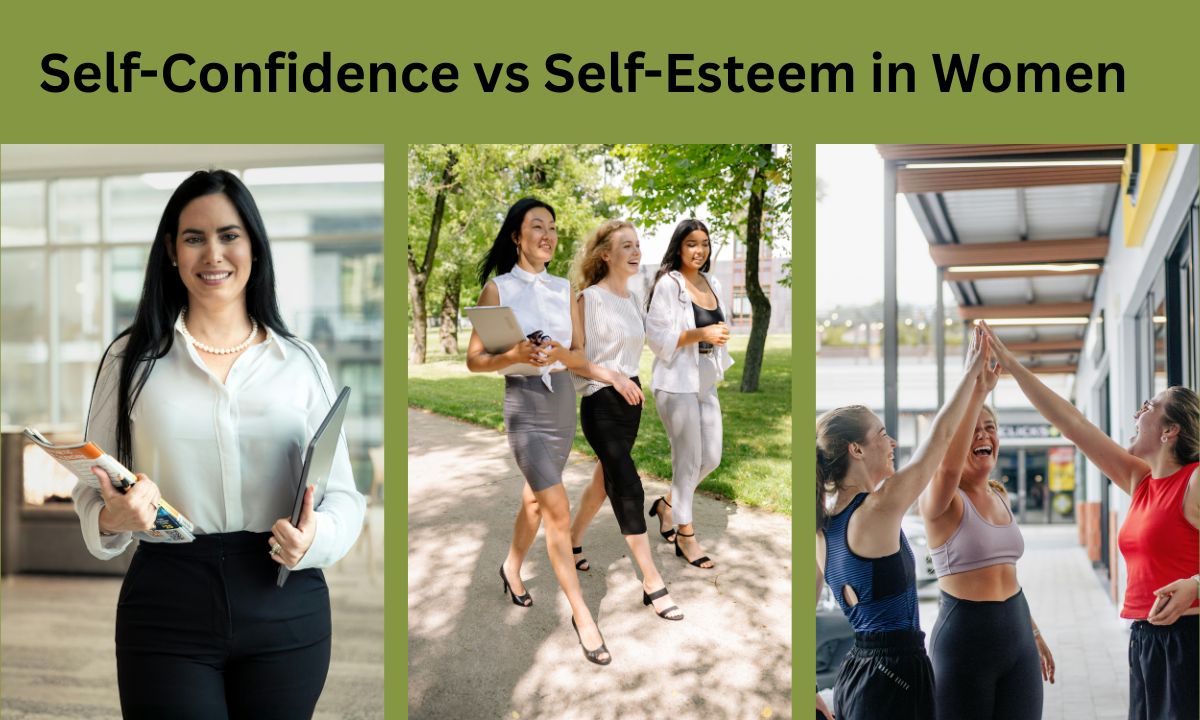
Self-Confidence vs Self-Esteem in Women: The Complete Guide to Understanding, Building & Transforming Your Inner Worth
Every woman deserves to wake up feeling worthy, capable, and confident in who she is. Yet millions of women struggle daily with an inner voice that tells them they’re not enough—not smart enough, not pretty enough, not successful enough, not worthy of love or respect. This struggle often stems from confusion between two related but distinct concepts: self-confidence and self-esteem.
Understanding the difference between these two pillars of psychological wellbeing isn’t just academic—it’s transformational. When you grasp how self-confidence and self-esteem work independently and together, you gain the power to address the root causes of your struggles rather than just managing symptoms. You learn why you might excel at work yet feel unworthy in relationships, or why external success doesn’t translate to internal peace.
This comprehensive guide will illuminate the critical distinctions between self-confidence and self-esteem, explore why women particularly struggle with both, and provide actionable strategies to build genuine, lasting inner strength. Whether you’re dealing with chronic self-doubt, recovering from a toxic relationship, or simply want to understand yourself better, this article offers the insights and tools you need to transform your relationship with yourself.
Self-Confidence for Women
Self-confidence for women represents the trust you have in your abilities, skills, and capacity to handle life’s challenges. It’s the practical belief that you can successfully navigate situations, learn new skills, solve problems, and achieve goals you set for yourself.
Unlike self-esteem, which relates to your fundamental sense of worth as a person, self-confidence is performance-based and domain-specific. You might feel extremely confident about your parenting abilities but less confident about public speaking. You could be confident in your professional expertise while lacking confidence in romantic relationships.
The Unique Landscape of Female Self-Confidence
Women’s self-confidence develops within a complex social context that often undermines rather than supports it. From childhood, many girls receive subtle and overt messages that shape how they view their capabilities:
Societal Messages:
- “Be nice and accommodating” (discouraging assertiveness)
- “Don’t be too ambitious or aggressive” (limiting career confidence)
- “Your value lies in your appearance” (undermining confidence in other domains)
- “You’re naturally less capable in math, science, leadership” (creating stereotype threat)
These messages create internal barriers that persist into adulthood, making it harder for women to develop robust self-confidence even when they possess exceptional abilities. Becoming mentally strong requires actively challenging these internalized limitations.
Professional Confidence Challenges:
In the workplace, women face unique obstacles to building confidence:
- The Double Bind: Assertive behavior that’s rewarded in men is often penalized in women as “aggressive” or “unlikeable”
- Lack of Role Models: Fewer women in leadership positions means fewer examples of confident female leadership
- Interruption Patterns: Women are interrupted more frequently in meetings, undermining confidence in their contributions
- Attribution Differences: Women tend to attribute success to luck or external factors while attributing failure to personal inadequacy
- Imposter Syndrome: High-achieving women often feel like frauds despite evidence of competence
These challenges don’t mean women are less capable—they mean women must work harder to build and maintain confidence in environments that subtly or overtly question their abilities. Learning to become a successful business woman involves developing strategies to navigate these obstacles.
Personal Life Confidence:
Beyond the professional realm, women’s confidence affects every area of life:
- Relationship Confidence: Believing you can build healthy partnerships and knowing when to leave unhealthy ones
- Body Confidence: Trusting your body’s strength and capabilities beyond appearance
- Financial Confidence: Feeling capable of managing money, investing, and achieving financial independence
- Social Confidence: Navigating social situations with ease and authenticity
- Creative Confidence: Pursuing artistic or innovative endeavors without paralyzing self-doubt
Building confidence in these diverse areas requires different strategies, but all share common foundations: competence, experience, and supportive self-talk.
Practical Manifestations of Self-Confidence
When a woman possesses strong self-confidence, it shows in observable ways:
Communication Patterns:
- Speaking clearly without excessive hedging or qualifiers
- Expressing opinions without constantly seeking validation
- Disagreeing respectfully when appropriate
- Asking questions without apologizing for needing information
- Declining requests that don’t align with priorities
Physical Presence:
- Maintaining good posture and open body language
- Making appropriate eye contact
- Moving with purpose and taking up space without apology
- Sitting properly with confidence and grace
Decision-Making:
- Making choices efficiently without excessive rumination
- Trusting judgment even when outcomes are uncertain
- Taking calculated risks when appropriate
- Learning from mistakes rather than being paralyzed by them
Goal Pursuit:
- Setting challenging but achievable objectives
- Persisting through obstacles and setbacks
- Seeking opportunities for growth and learning
- Celebrating progress along the way
These confident behaviors aren’t inherent traits—they’re learned skills that any woman can develop with practice and intention.
Self-Confidence for Women Quotes

Inspirational quotes offer powerful reminders and motivation when building self-confidence. These words from successful women provide guidance and encouragement:
On Believing in Yourself:
“The most courageous act is still to think for yourself. Aloud.” — Coco Chanel
This quote reminds us that confidence often begins with the simple act of trusting and expressing our own thoughts, even when they differ from prevailing opinions.
“I had to make my own living and my own opportunity. But I made it! Don’t sit down and wait for the opportunities to come. Get up and make them.” — Madam C.J. Walker
Walker’s words emphasize the connection between action and confidence—you build belief in yourself by creating opportunities and following through.
“Think like a queen. A queen is not afraid to fail. Failure is another stepping stone to greatness.” — Oprah Winfrey
This perspective reframes failure as part of the confidence-building process rather than evidence of inadequacy.
On Overcoming Doubt:
“I have learned over the years that when one’s mind is made up, this diminishes fear; knowing what must be done does away with fear.” — Rosa Parks
Parks highlights how clarity of purpose strengthens confidence and diminishes the paralyzing effects of fear.
“You gain strength, courage, and confidence by every experience in which you really stop to look fear in the face.” — Eleanor Roosevelt
Roosevelt reminds us that confidence grows through confronting rather than avoiding challenges.
“No one can make you feel inferior without your consent.” — Eleanor Roosevelt
This powerful quote emphasizes that confidence is ultimately an internal choice, not dependent on others’ opinions.
On Female Empowerment:
“A strong woman understands that gifts such as logic, decisiveness, and strength are just as feminine as intuition and emotional connection.” — Nancy Rathburn
Rathburn challenges limiting beliefs about what constitutes feminine confidence, encouraging women to embrace all their strengths.
“I raise up my voice—not so I can shout, but so that those without a voice can be heard.” — Malala Yousafzai
Yousafzai demonstrates how confidence extends beyond self-benefit to empowering others and creating positive change.
For more inspiration, explore these powerful woman of God motivational quotes and financial independence quotes for women.
Using Quotes Effectively:
To maximize the impact of inspirational quotes:
- Choose quotes that resonate personally with your specific confidence challenges
- Write them down in a journal or create visual reminders
- Reflect deeply on what each quote means in your current life context
- Take action inspired by the wisdom rather than just collecting words
- Share quotes that have helped you with other women who might benefit
Quotes work best when they inspire concrete action rather than remaining passive inspiration. Let them be catalysts for building actual competence and experience.
Female Self-Confidence : Self-Confidence vs Self-Esteem in Women
Female self-confidence carries unique characteristics shaped by women’s experiences, socialization, and the specific challenges they face. Understanding these nuances helps in developing authentic confidence that honors rather than denies your identity as a woman.
The Confidence Gap
Research consistently shows a “confidence gap” between men and women that persists across cultures and contexts:
Key Findings:
- Women apply for jobs only when meeting 100% of qualifications; men apply at 60%
- Women underestimate their abilities by about 30%; men overestimate theirs by about 30%
- Women attribute success to external factors (luck, help from others, easy task)
- Men attribute success to internal factors (ability, hard work, skill)
- Women seek more consensus before making decisions; men decide with less consultation
This gap isn’t about actual ability—numerous studies show women perform equally or better than men in most domains. It’s about confidence in that ability. The gap emerges from:
- Socialization patterns that reward different behaviors in girls vs. boys
- Lack of female role models in leadership and high-status positions
- Stereotype threat that undermines performance when negative stereotypes are salient
- Attributional patterns learned from childhood about success and failure
- Perfectionism that makes women hesitant to attempt tasks unless guaranteed success
Recognizing this gap allows women to consciously counter it rather than accepting it as inherent or unchangeable.
Strength in Female Confidence
While women face unique challenges building confidence, they also develop distinctive strengths:
Collaborative Confidence: Women often build confidence through connection and community rather than competition and domination. This collaborative approach:
- Creates sustainable support systems
- Elevates everyone involved
- Builds confidence through contribution to collective success
- Develops emotional intelligence alongside competence
Many magnetic women possess this collaborative confidence that draws others to them.
Holistic Confidence: Female confidence often integrates multiple life domains rather than focusing solely on professional achievement:
- Balancing career, relationships, and personal growth
- Finding confidence in diverse roles and identities
- Developing resilience through managing complex demands
- Creating meaning through multifaceted contributions
Relational Confidence: Women frequently develop strong confidence in building and maintaining relationships:
- Navigating complex emotional landscapes
- Creating meaningful connections
- Supporting others while maintaining boundaries
- Communicating effectively across differences
Adaptive Confidence: Women often excel at adapting to changing circumstances and requirements:
- Flexibility in approach while maintaining core values
- Reading situations and adjusting strategies accordingly
- Managing multiple priorities simultaneously
- Finding creative solutions to constraints
These strengths aren’t inherent to being female—they’re often developed through navigating the unique challenges women face. Recognizing and valuing them prevents women from defining confidence solely in masculine terms.
Building Authentic Female Confidence : Self-Confidence vs Self-Esteem in Women
Developing genuine confidence as a woman means:
Honoring Your Full Self:
- Embracing both traditionally “feminine” and “masculine” qualities
- Refusing to choose between being liked and being respected
- Expressing vulnerability as well as strength
- Valuing emotional intelligence alongside technical competence
Defining Success on Your Terms:
- Clarifying personal values rather than accepting societal definitions
- Pursuing goals that matter to you, not just those considered prestigious
- Measuring success by multiple metrics, not just career achievement or income
- Finding confidence in being a great mother, creative pursuit, community contribution, or any path you choose
Learning from Female Role Models:
- Studying how confident women navigate similar challenges
- Building relationships with mentors who’ve faced comparable obstacles
- Creating communities of women supporting each other’s confidence
- Celebrating diverse examples of female confidence rather than a single model
Challenging Gender-Based Limitations:
- Questioning beliefs about what women “should” or “shouldn’t” do
- Taking up space without apologizing
- Speaking with authority on your areas of expertise
- Pursuing ambitious goals without waiting for permission
True female confidence doesn’t require adopting masculine behavior patterns or rejecting femininity. It means being fully yourself with trust in your capabilities.
Women and Self-Confidence

The relationship between women and self-confidence is complex, influenced by biology, psychology, sociology, and culture. Understanding these multiple layers helps in developing targeted strategies for building confidence.
Developmental Patterns
Women’s confidence levels typically follow these patterns across the lifespan:
Childhood (Ages 5-10):
- Young girls often start with confidence levels similar to boys
- Gradual internalization of gender-based messages begins
- Academic confidence remains relatively high
- Physical confidence may start declining earlier than in boys
Adolescence (Ages 11-17):
- Dramatic drop in confidence, particularly around puberty
- Body image concerns significantly impact overall confidence
- Social confidence becomes heavily influenced by peer acceptance
- Academic confidence may decline in male-dominated subjects
- Perfectionism and people-pleasing tendencies strengthen
Young Adulthood (Ages 18-29):
- Career confidence begins building through early successes
- Relationship confidence varies widely based on experiences
- Financial confidence often remains low due to wage gaps and limited experience
- Comparison with peers can undermine confidence
- Building foundations for future confidence through skill development
Established Adulthood (Ages 30-49):
- Increasing professional confidence through accumulated experience
- Greater clarity about personal values and priorities
- Confidence tested by major life transitions (marriage, motherhood, career changes)
- Managing menopause symptoms and hormonal changes that affect mood and confidence
- Often marks turning point toward greater self-trust
Mature Adulthood (Ages 50+):
- Generally highest confidence levels of women’s lives
- Freedom from others’ opinions and expectations
- Wisdom from experience strengthens trust in judgment
- Physical confidence may face new challenges with aging
- Greater willingness to speak truth and take risks
Understanding these patterns helps women recognize that confidence often increases with age and experience, particularly when actively cultivated.
Cultural and Contextual Factors
Women’s confidence doesn’t develop in a vacuum—it’s profoundly shaped by:
Cultural Background:
- Individualistic vs. collectivist cultural values
- Religious and spiritual traditions about women’s roles
- Racial and ethnic identity intersecting with gender
- Immigration status and navigating multiple cultural contexts
Socioeconomic Status:
- Access to education and skill-building opportunities
- Financial security affecting confidence to take risks
- Professional networks and mentorship availability
- Exposure to diverse role models
Geographic Location:
- Urban vs. rural environments with different opportunities
- Regional attitudes about women’s capabilities
- Availability of resources and support systems
- Legal and political context for women’s rights
Intersectional Identity:
- Race, ethnicity, and gender intersecting
- Sexual orientation and gender identity
- Disability and accessibility considerations
- Age and generational experiences
These factors create vastly different landscapes for building confidence. What works for one woman may not work for another based on her unique context and experiences.
Systemic Barriers to Female Confidence
Women don’t struggle with confidence solely due to individual factors—systemic barriers actively undermine it:
Economic Inequality:
- Wage gaps that suggest women’s work is less valuable
- Limited access to capital for entrepreneurship
- Glass ceiling effects limiting advancement
- Financial dependency making it harder to develop financial freedom
Representation Gaps:
- Fewer women in leadership positions to model confidence
- Media representations emphasizing appearance over capability
- Limited visibility of women’s achievements and contributions
- Tokenism that isolates women in male-dominated fields
Double Standards:
- Assertiveness praised in men, penalized in women
- Anger acceptable in men, unacceptable in women
- Leadership qualities defined in masculine terms
- Physical appearance standards far more stringent for women
Safety Concerns:
- Street harassment undermining confidence in public spaces
- Sexual violence creating fear and limiting freedom
- Workplace sexual harassment affecting professional confidence
- Online harassment silencing women’s voices
Recognizing these systemic factors prevents women from solely blaming themselves for confidence struggles. Change requires both individual development and collective action to address structural barriers.
Self-Esteem for Women
While self-confidence relates to your belief in your abilities, self-esteem concerns your fundamental sense of worth as a person. It’s the deep conviction that you deserve love, respect, happiness, and good things in life simply because you exist—not because of what you accomplish or how you look.
Self-esteem for women is particularly complex because female worth has historically been tied to external factors: physical beauty, relationship status, reproductive capacity, and service to others. Building authentic self-esteem requires disentangling your intrinsic worth from these conditional sources.
Components of Healthy Self-Esteem
True self-esteem consists of several interconnected elements:
Self-Worth: The fundamental belief that you have value as a human being. This doesn’t fluctuate based on achievements, relationships, or external validation—it’s a steady internal knowing that you matter.
Self-Respect: Treating yourself with dignity and care. This includes:
- Setting and maintaining healthy boundaries
- Speaking kindly to yourself
- Making choices that honor your wellbeing
- Refusing to tolerate mistreatment from others
Self-Acceptance: Embracing all parts of yourself—strengths, weaknesses, quirks, and imperfections. This doesn’t mean you can’t work on improvement, but you don’t make your worth conditional on becoming perfect.
Self-Love: Genuinely caring about yourself with the same compassion you’d offer a beloved friend. This includes:
- Forgiving yourself for mistakes
- Celebrating your unique qualities
- Prioritizing your needs alongside others’
- Taking care of your physical and emotional health
For many women, working on glowing and flawless skin and self-care practices helps reinforce self-love and respect.
Why Self-Esteem Matters for Women
Healthy self-esteem serves as the foundation for virtually every area of life:
Relationship Health: Women with strong self-esteem:
- Choose partners who treat them well
- Leave relationships that become abusive or unhealthy
- Maintain their identity within partnerships
- Communicate needs and boundaries clearly
- Don’t tolerate disrespect or manipulation
Career Success: Self-esteem enables women to:
- Negotiate for fair compensation
- Apply for positions that stretch their abilities
- Accept compliments and recognition gracefully
- Recover from setbacks without internalizing failure
- Pursue ambitious goals without feeling undeserving
Mental Health: Strong self-esteem protects against:
- Depression and anxiety
- Eating disorders and body dysmorphia
- Self-harm and suicidal ideation
- Substance abuse and addiction
- Chronic stress and burnout
Physical Health: Women with healthy self-esteem:
- Prioritize preventive healthcare
- Maintain healthy lifestyle habits
- Seek treatment when needed
- Make time for exercise and nutrition
- Practice effective stress management
Life Satisfaction: Self-esteem contributes to:
- Greater overall happiness and contentment
- Resilience during difficult times
- Meaningful relationships and connections
- Pursuit of fulfilling goals and interests
- Sense of purpose and meaning
Without adequate self-esteem, even tremendous external success feels hollow. You might achieve remarkable things but never feel worthy of your accomplishments.
Female Self-Esteem

Female self-esteem develops differently than male self-esteem due to gendered socialization, societal expectations, and cultural messages about women’s worth. Understanding these unique factors helps in addressing esteem issues at their roots.
Socialization and Female Self-Esteem
From early childhood, girls receive messages that shape how they view their fundamental worth:
Appearance-Based Worth:
- Beauty standards as primary measure of value
- Constant commentary on appearance rather than abilities
- Media images promoting unrealistic physical ideals
- Diet culture equating thinness with worthiness
These messages create a fragile foundation for self-esteem, tying worth to physical attributes that inevitably change with age, pregnancy, illness, or simply genetic variation from narrow beauty standards.
Relational Worth:
- Value measured by relationship status (being chosen by a man)
- Worth tied to being a good daughter, wife, mother
- Emphasis on selflessness and service to others
- Guilt about prioritizing personal needs
This conditioning makes many women feel their worth depends on others’ validation and approval rather than existing independently.
Achievement Paradox:
- Pressure to succeed without appearing ambitious
- Downplaying accomplishments to remain likeable
- Attributing success to external factors
- Perfectionism that makes any failure feel devastating
Women learn to disconnect from pride in their achievements, undermining the self-esteem boost that accomplishment could provide.
Emotional Labor Expectations:
- Worth tied to emotional caretaking of others
- Value measured by others’ happiness and comfort
- Guilt about experiencing or expressing negative emotions
- Responsibility for managing everyone’s feelings
These expectations create exhaustion and resentment while providing little genuine self-esteem boost, since the work is often invisible and taken for granted.
Building Female-Specific Self-Esteem
Addressing self-esteem issues in women requires targeted approaches:
Separating Worth from Appearance:
- Developing identity beyond physical attributes
- Appreciating body for capabilities rather than just looks
- Challenging beauty standards and diet culture
- Finding value in character, contributions, and connections
Many women find that focusing on health goals like losing belly fat naturally from a wellness rather than appearance perspective helps build healthier self-esteem.
Developing Independent Self-Worth:
- Cultivating internal validation sources
- Pursuing goals for personal satisfaction, not approval
- Making decisions based on values rather than others’ opinions
- Building life that feels meaningful regardless of relationship status
Owning Achievements:
- Practicing accepting compliments gracefully
- Attributing success to ability and effort
- Keeping records of accomplishments
- Sharing wins without minimizing them
Setting Healthy Boundaries:
- Saying no without excessive guilt or explanation
- Protecting time and energy for self-care
- Communicating needs clearly
- Distancing from relationships that undermine esteem
Challenging Perfectionism:
- Embracing “good enough” rather than perfect
- Learning from mistakes without shame
- Separating self-worth from performance
- Celebrating progress rather than only outcomes
Becoming an elegant woman involves this internal work of building genuine self-worth.
Women with Low Self-Esteem
Low self-esteem in women manifests in recognizable patterns that, once identified, can be addressed and healed. Understanding these patterns helps both in self-awareness and in supporting other women.
Signs and Symptoms
Women struggling with low self-esteem often exhibit:
Negative Self-Perception:
- Harsh internal critic constantly finding fault
- Difficulty identifying personal strengths or positive qualities
- Comparing unfavorably to others
- Dismissing compliments or positive feedback
- Feeling fundamentally flawed or defective
Relationship Patterns:
- Tolerating disrespect, mistreatment, or abuse
- Excessive people-pleasing and difficulty saying no
- Fear of abandonment leading to clingy behavior
- Choosing partners who confirm low self-view
- Difficulty believing others could genuinely care
Behavioral Indicators:
- Avoiding challenges or new opportunities
- Procrastination due to fear of failure
- Perfectionism that paralyzes action
- Self-sabotage when things go well
- Difficulty making decisions independently
Emotional Symptoms:
- Chronic anxiety about others’ opinions
- Depression and feelings of worthlessness
- Shame about perceived inadequacies
- Jealousy and insecurity in relationships
- Difficulty experiencing joy or satisfaction
Physical Manifestations:
- Neglecting self-care and health needs
- Using food, alcohol, or substances to cope
- Body image issues and disordered eating
- Poor posture and closed body language
- Fatigue from constant stress and anxiety
Professional Impact:
- Settling for less than qualified for
- Difficulty advocating for fair compensation
- Accepting credit or recognition reluctantly
- Avoiding leadership opportunities
- Underestimating abilities and contributions
Recognizing these patterns is the first step toward change. Many women struggle with low self-esteem while appearing confident externally, making awareness crucial.
Root Causes in Women
Low self-esteem doesn’t emerge in a vacuum. Common origins include:
Childhood Experiences:
- Critical, dismissive, or emotionally unavailable parents
- Abuse, neglect, or trauma
- Bullying or social rejection
- Comparison with siblings or peers
- Conditional love based on achievement or behavior
Cultural Messages:
- Unrealistic beauty standards and diet culture
- Media portrayal of women as objects or secondary characters
- Religious or cultural beliefs about female inferiority
- Racism, homophobia, or other forms of discrimination
- Constant sexualization and objectification
Relationship Trauma:
- Emotional, physical, or sexual abuse
- Betrayal or infidelity
- Toxic or narcissistic partners
- Controlling or manipulative relationships
- Repeated rejection or abandonment
Life Transitions:
- Divorce or relationship dissolution
- Job loss or career setbacks
- Health issues or disabilities
- Aging and physical changes
- Financial struggles
Ongoing Circumstances:
- Chronic stress or overwhelm
- Lack of supportive relationships
- Financial dependence limiting choices
- Caregiving responsibilities without support
- Working in hostile or discriminatory environments
Understanding root causes helps target healing efforts and develop self-compassion rather than self-blame for struggling.
Female Low Self-Esteem
The specific manifestation of low self-esteem in women often differs from men due to gendered socialization and societal expectations. Recognizing these female-specific patterns illuminates paths toward healing.
Appearance-Focused Low Self-Esteem
For many women, low self-esteem centers heavily on physical appearance:
Body Image Issues:
- Constant dissatisfaction with weight, shape, or features
- Believing worth depends on meeting beauty standards
- Avoiding activities or opportunities due to appearance concerns
- Excessive time and money on appearance modification
- Disordered eating or exercise patterns
Comparison Trap:
- Continuously measuring self against other women
- Feeling inadequate when seeing “more attractive” women
- Basing self-worth on physical competition
- Believing partner will leave for someone “better looking”
- Social media addiction exacerbating comparisons
This appearance-focused esteem is particularly vulnerable because physical attributes inevitably change with age, making it an unstable foundation. Working on natural home remedies for glowing skin can be healthy self-care, but true self-esteem must go deeper than appearance.
Relationship-Dependent Self-Esteem
Many women unconsciously tie their worth to relationship status and partner validation:
Symptoms:
- Feeling worthless without romantic relationship
- Tolerating poor treatment to avoid being alone
- Defining identity primarily through partner
- Needing constant reassurance of partner’s love
- Sacrificing personal goals and needs for relationship
Underlying Beliefs:
- “I’m only valuable if someone loves me”
- “Being chosen validates my worth”
- “I should be grateful anyone wants me”
- “My needs matter less than my partner’s”
- “I can’t survive or be happy alone”
These beliefs keep women trapped in unhealthy relationships and prevent developing independent self-worth.
Achievement-Performance Low Self-Esteem
Some women develop conditional self-esteem based entirely on accomplishments:
Characteristics:
- Worth tied to productivity and achievement
- Perfectionism making any failure devastating
- Inability to rest or relax without guilt
- Workaholic tendencies to prove value
- Depression when unable to perform due to illness or life circumstances
Internal Dialogue:
- “I’m only as good as my last accomplishment”
- “If I’m not producing, I’m worthless”
- “Mistakes mean I’m a failure”
- “I must be the best or I’m nothing”
- “My value comes from what I do, not who I am”
While achievement can support self-confidence, basing fundamental self-worth on performance creates chronic anxiety and prevents genuine self-acceptance.
People-Pleasing and Approval-Seeking
Low self-esteem often manifests as excessive concern with others’ opinions:
Behaviors:
- Saying yes when you want to say no
- Changing opinions to match whoever you’re with
- Difficulty making decisions without consensus
- Excessive apologizing for normal needs or mistakes
- Avoiding conflict even at personal cost
Underlying Fear:
- “If people don’t like me, I have no value”
- “Disapproval means I’m fundamentally bad”
- “I must keep everyone happy to be worthy”
- “Conflict means I’ve failed”
- “My needs don’t matter as much as others'”
This pattern exhausts women while providing only fleeting validation that never builds genuine self-esteem.
Women and Low Self-Esteem
The prevalence and impact of low self-esteem in women represents a significant public health and social justice issue. Understanding the scope helps normalize struggles while motivating change.
Statistics and Prevalence
Research reveals concerning patterns:
General Prevalence:
- Approximately 85% of women report struggling with self-esteem at some point
- Women score lower on self-esteem measures than men across cultures
- Gap widens during adolescence and persists into adulthood
- Appearance-based self-esteem issues affect over 90% of women
Age-Related Patterns:
- Adolescent girls show dramatic drops in self-esteem around puberty
- Young adult women (20s-30s) report high rates of imposter syndrome
- Self-esteem typically improves in middle age (40s-50s)
- Older women often report highest self-esteem levels
Impact Across Life Domains:
- 65% of women report self-esteem affects career decisions
- 78% say it impacts relationship choices
- 82% link self-esteem to body image concerns
- 71% report effects on mental health
These numbers aren’t destiny—they reveal how common the struggle is and underscore the need for effective solutions.
Societal Costs
Low female self-esteem creates ripple effects beyond individual suffering:
Economic Impact:
- Women accepting lower salaries due to low self-worth
- Career advancement limited by lack of self-advocacy
- Reduced entrepreneurship and innovation
- Healthcare costs for related mental health issues
- Lost productivity due to depression and anxiety
Relationship Consequences:
- Women staying in abusive or unfulfilling relationships
- Children modeling unhealthy self-esteem patterns
- Divorce and family instability
- Intergenerational trauma and dysfunction
- Reduced overall relationship satisfaction
Public Health:
- Eating disorders and body dysmorphia
- Depression, anxiety, and suicide
- Substance abuse as coping mechanism
- Self-harm and risky behaviors
- Chronic stress-related health conditions
Social Impact:
- Fewer women in leadership positions
- Limited diversity of perspectives in decision-making
- Reduced civic engagement and advocacy
- Perpetuation of gender inequality
- Silencing of women’s voices and contributions
Addressing low self-esteem in women isn’t just personal development—it’s essential for social progress and collective wellbeing.
Cultural and Media Influences
Modern media and culture actively undermine female self-esteem:
Social Media Effects:
- Constant exposure to filtered, curated images
- Comparison with unrealistic standards
- Validation-seeking through likes and comments
- Cyberbullying and harassment
- Performance of identity rather than authentic expression
Advertising Tactics:
- Creating insecurity to sell products
- Promoting solutions to manufactured problems
- Before/after narratives suggesting current state inadequate
- Celebrity endorsements linking products to worth
- Targeting women’s appearance anxieties
Entertainment Media:
- Limited representation of diverse body types, ages, races
- Women valued primarily for appearance or relationships
- Successful women portrayed as lonely or unfulfilled
- Romantic comedies suggesting worth comes from being chosen
- Reality TV emphasizing competition between women
Beauty and Diet Industries:
- Promoting impossible standards
- Pathologizing normal bodies
- Creating lifetime customers through chronic dissatisfaction
- Linking products to self-worth and happiness
- Exploiting insecurities for profit
Understanding these influences helps women resist them rather than internalizing messages as personal truth. Developing mental strength includes critically analyzing cultural messages.
A Woman with Low Self-Esteem
Examining the lived experience of low self-esteem helps build understanding and compassion, whether for yourself or others struggling with these issues.
Daily Experience
For a woman with low self-esteem, everyday life feels like navigating a minefield of potential confirmation of her unworthiness:
Morning Routine:
- Mirror reveals only flaws and inadequacies
- Choosing outfit becomes anxiety-inducing exercise in hiding body
- Self-critical thoughts about appearance dominate
- Comparison with other women on social media starts day negatively
- Dread about facing others and being judged
Work Environment:
- Constant worry about making mistakes or looking incompetent
- Difficulty speaking up in meetings despite having valuable input
- Attributing any success to luck rather than ability
- Over-preparing to compensate for feeling inadequate
- Accepting credit or compliments feels impossible or fraudulent
Social Interactions:
- Analyzing every conversation for signs of disapproval
- Agreeing with others even when holding different views
- Difficulty saying no to requests
- Apologizing excessively for normal behaviors
- Believing others merely tolerate rather than genuinely like you
Relationships:
- Constant need for reassurance of partner’s love
- Jealousy and insecurity about partner’s interactions with others
- Tolerating disrespectful treatment because you believe you don’t deserve better
- Difficulty believing you’re truly lovable or desirable
- Fear of abandonment driving clingy or people-pleasing behaviors
Evening:
- Ruminating over perceived mistakes or embarrassments
- Harsh self-criticism about day’s events
- Using food, alcohol, shopping, or other behaviors to numb feelings
- Difficulty sleeping due to anxiety and self-judgment
- Planning tomorrow with dread rather than hope
This exhausting daily experience drains energy, limits possibilities, and prevents genuine joy or connection.
Impact on Choices
Low self-esteem profoundly affects life decisions:
Career Choices:
- Settling for jobs below qualification level
- Avoiding leadership or high-visibility roles
- Not negotiating salary or benefits
- Staying in unsatisfying positions due to fear
- Declining opportunities for growth or advancement
Relationship Decisions:
- Choosing partners who treat you poorly
- Staying in toxic or abusive relationships
- Compromising core values to keep relationship
- Avoiding relationships entirely due to unworthiness beliefs
- Accepting less than you deserve in partnerships
Financial Decisions:
- Undervaluing work and accepting lower compensation
- Avoiding financial independence due to believing you can’t manage money
- Retail therapy and spending to temporarily boost mood
- Not investing in education or skill development
- Financial dependence on others limiting autonomy
Health Choices:
- Neglecting self-care and preventive health
- Using food, substances, or behaviors to cope
- Avoiding exercise or health activities due to body shame
- Delaying medical treatment due to feeling undeserving
- Chronic stress from low self-worth affecting physical health
Personal Development:
- Avoiding new experiences or challenges
- Not pursuing passions or interests
- Declining social opportunities
- Isolation and withdrawal
- Giving up easily when facing obstacles
These compromised choices create a life that reinforces low self-esteem, perpetuating the cycle.
Breaking the Cycle
While the experience of low self-esteem feels overwhelming, it’s not permanent:
Recognition:
- Acknowledging the problem without shame
- Understanding low self-esteem as learned, not inherent
- Recognizing patterns in thoughts and behaviors
- Accepting that change is possible
- Seeking support and resources
Intervention:
- Therapy to address underlying causes
- Cognitive restructuring to challenge negative beliefs
- Building competence to support self-worth
- Setting and maintaining boundaries
- Practicing self-compassion
Transformation:
- Gradual shift in self-perception
- Increased willingness to take risks
- Better relationship and career choices
- Greater life satisfaction and wellbeing
- Capacity to support others’ self-esteem journey
Many women who once struggled with severe low self-esteem develop strong, healthy self-worth through committed work on themselves.
What Causes Low Self-Esteem in a Woman?
Understanding the root causes of low self-esteem empowers targeted healing rather than surface-level coping. While everyone’s story is unique, common factors contribute to female self-esteem struggles.
Childhood and Family Factors
The foundation for self-esteem typically forms in early childhood:
Parenting Patterns:
- Critical or Perfectionistic Parents: Constant criticism or impossible standards create belief you’re never good enough
- Conditional Love: Worth tied to achievement, behavior, or meeting expectations rather than unconditional acceptance
- Emotional Neglect: Lack of attention, validation, or emotional attunement suggests you don’t matter
- Overprotective Parenting: Excessive control prevents developing confidence in own judgment and capabilities
- Absent or Inconsistent Parents: Unpredictability creates insecurity and questions about worthiness of care
Family Dynamics:
- Comparison with Siblings: Unfavorable comparisons or obvious favoritism damages self-worth
- Family Secrets or Dysfunction: Addiction, mental illness, abuse create shame and insecurity
- Gender Preferences: Obvious preference for male children undermines female self-worth
- Role Modeling: Parents with low self-esteem model unhealthy patterns
- Cultural or Religious Messages: Strict or punitive beliefs about female inferiority
Early Trauma:
- Physical or Sexual Abuse: Profound violation creates deep shame and worthlessness
- Emotional Abuse: Constant put-downs, gaslighting, or manipulation destroys self-trust
- Bullying: Peer cruelty and rejection particularly during formative years
- Loss or Abandonment: Death, divorce, or parental abandonment creates insecurity
- Poverty or Instability: Chronic stress and unmet needs affect development
These early experiences shape neural pathways and core beliefs that persist into adulthood unless actively addressed.
Societal and Cultural Influences
Beyond family, broader cultural forces shape female self-esteem:
Beauty Standards:
- Narrow, unrealistic definitions of attractiveness
- Constant objectification and evaluation based on appearance
- Multi-billion dollar industries profiting from female insecurity
- Age-related devaluation of women
- Racism regarding beauty ideals
Gender Socialization:
- Messages that female worth comes from relationships and appearance
- Discouragement of ambition, assertiveness, or leadership
- Expectations of selflessness and service
- Double standards about behavior, sexuality, and aging
- Limited representation in positions of power and influence
Systemic Discrimination:
- Wage gaps suggesting women’s work less valuable
- Sexual harassment and assault
- Limited access to leadership and opportunities
- Motherhood penalties in workplace
- Legal and institutional barriers to equality
Media and Culture:
- Sexualized portrayals of women
- Limited representation of diverse body types, ages, races
- Emphasis on competition between women
- Romantic narratives centered on being chosen
- Social media comparison culture
These societal factors affect all women to varying degrees but particularly impact those with additional marginalized identities.
Relationship Experiences
Interpersonal relationships profoundly affect self-esteem:
Romantic Relationships:
- Abusive Partners: Verbal, emotional, physical, or sexual abuse destroys self-worth
- Infidelity or Betrayal: Being cheated on can trigger deep questions about worthiness
- Toxic Dynamics: Manipulation, control, or constant criticism
- Unhealthy Attachment: Anxious or avoidant patterns affecting sense of deserving love
- Breakups and Rejection: Particularly if pattern suggests something wrong with you
Friendships:
- Bullying or Exclusion: Social rejection especially during vulnerable periods
- Competitive Friendships: Constant comparison and one-upmanship
- Fair-Weather Friends: Support only when convenient creates insecurity
- Betrayal: Friends sharing secrets or turning against you
- Isolation: Lack of meaningful connections and support
Professional Relationships:
- Workplace Bullying: Harassment or mistreatment from colleagues or supervisors
- Discrimination: Sexism, racism, ageism, or other bias
- Lack of Recognition: Contributions ignored or undervalued
- Toxic Work Culture: Environments that undermine rather than support
- Career Setbacks: Firings, demotions, or failures affecting sense of competence
Negative relationship experiences compound when they confirm existing low self-esteem beliefs.
Life Transitions and Challenges
Certain life events can trigger or exacerbate self-esteem issues:
Physical Changes:
- Aging and appearance changes
- Weight gain or loss
- Pregnancy and postpartum body changes
- Illness, injury, or disability
- Menopause symptoms affecting mood and self-perception
Role Changes:
- Becoming a mother and identity shifts
- Career changes or unemployment
- Divorce or relationship ending
- Empty nest when children leave home
- Retirement and loss of professional identity
Losses:
- Death of loved ones
- Miscarriage or infertility
- Financial losses or bankruptcy
- Loss of health or abilities
- Geographic moves and lost connections
Failures and Setbacks:
- Academic or professional failures
- Business ventures that don’t succeed
- Public embarrassments or humiliation
- Legal troubles or consequences
- Repeated disappointments or rejections
These challenges don’t automatically cause low self-esteem, but without adequate support and healthy coping mechanisms, they can significantly impact self-worth.
Mental Health Conditions
Low self-esteem often coexists with mental health issues:
Depression:
- Negative thinking patterns
- Hopelessness about change
- Loss of interest and pleasure
- Fatigue affecting functioning
- Self-critical rumination
Anxiety Disorders:
- Constant worry about judgment
- Social anxiety limiting experiences
- Perfectionism and fear of failure
- Generalized worry affecting confidence
- Panic about inadequacy
Trauma-Related Disorders:
- PTSD from abuse or violence
- Complex trauma from chronic adversity
- Dissociation affecting sense of self
- Hypervigilance and safety concerns
- Shame and guilt related to trauma
Body Dysmorphic Disorder:
- Obsessive focus on perceived flaws
- Compulsive behaviors to hide or fix appearance
- Severe distress about body image
- Social withdrawal due to appearance concerns
- Often accompanied by eating disorders
Personality Disorders:
- Borderline personality and unstable self-image
- Dependent personality and excessive need for reassurance
- Avoidant personality and fear of rejection
- Narcissistic defenses masking deep insecurity
These conditions both stem from and perpetuate low self-esteem, requiring professional treatment to address effectively.
Why Do I Lack Confidence and Self-Esteem?
This personal question many women ask themselves has multiple layers of answers. Understanding your specific causes helps target healing efforts effectively.
Self-Assessment Questions
To understand your particular confidence and self-esteem challenges, reflect on:
Early Development:
- What messages did you receive about your worth as a child?
- How did your parents respond to your needs, feelings, and achievements?
- Were you compared unfavorably to siblings or peers?
- Did you experience trauma, abuse, neglect, or instability?
- What role did you play in your family system?
Current Thought Patterns:
- What do you tell yourself when you make mistakes?
- How do you explain successes when they occur?
- What do you believe about your fundamental worth?
- Do you focus more on strengths or weaknesses?
- How harshly do you judge yourself compared to others?
Relationship History:
- Have you experienced abusive or toxic relationships?
- Do you have supportive, affirming relationships currently?
- How do your closest relationships affect how you see yourself?
- Do you tend to be abandoned or rejected in relationships?
- Are you able to maintain your sense of self in relationships?
Life Experiences:
- What failures or setbacks still affect you?
- Have you achieved goals yet still felt inadequate?
- What role does your appearance play in how you value yourself?
- How do you handle criticism or negative feedback?
- What would need to change for you to feel worthy and confident?
Current Circumstances:
- Are you in situations that undermine your worth daily?
- Do you have opportunities to develop competence and skills?
- Is your physical health supporting or undermining your wellbeing?
- Are financial stresses affecting your security and options?
- Do you have time and space for self-care and growth?
Honest reflection on these questions often reveals patterns and sources you can begin addressing.
Common Contributing Factors
Most women lacking confidence and self-esteem share some combination of:
Negative Core Beliefs:
- “I’m not good enough”
- “I’m unlovable”
- “I don’t deserve good things”
- “There’s something fundamentally wrong with me”
- “I’m less than others”
These beliefs often formed early and operate automatically, coloring every experience.
Perfectionism:
- Impossible standards for yourself
- All-or-nothing thinking
- Inability to accept “good enough”
- Paralysis from fear of mistakes
- Self-worth tied to flawless performance
Comparison Habits:
- Constantly measuring self against others
- Focusing on others’ strengths and own weaknesses
- Social media exacerbating comparison
- Competitive rather than collaborative mindset
- Never feeling you measure up
Past Trauma:
- Unprocessed abuse or violation
- Shame about traumatic experiences
- Belief you somehow caused what happened
- Trust issues affecting relationships
- Hypervigilance and safety concerns
Lack of Competence Development:
- Limited opportunities to build actual skills
- Avoiding challenges due to fear
- Not investing in education or growth
- Staying in comfort zone preventing confidence building
- No evidence base for capability
Unsupportive Environment:
- Relationships that undermine rather than encourage
- Work cultures that devalue contributions
- Lack of positive role models
- Financial dependence limiting options
- Geographic or cultural isolation
Unaddressed Mental Health:
- Depression affecting motivation and outlook
- Anxiety creating constant worry
- Trauma symptoms interfering with functioning
- Substance use as unhealthy coping
- Eating disorders tied to control and worth
Understanding which factors affect you specifically allows for targeted intervention rather than general self-help that may miss your particular needs.
Low Self-Esteem Wife
When a wife struggles with low self-esteem, it affects not just her but the entire marriage dynamic. Understanding these impacts helps both partners address the issues constructively.
Impact on Marriage
A wife’s low self-esteem manifests in marriage through:
Communication Challenges:
- Difficulty expressing needs, preferences, or concerns
- Excessive apologizing for normal requests or feelings
- Avoiding conflict even when harmful to relationship
- Inability to accept compliments or positive feedback
- Seeking constant reassurance about love and commitment
Emotional Patterns:
- Jealousy and insecurity about partner’s interactions with others
- Fear of abandonment driving clingy or controlling behavior
- Depression affecting mood and connection
- Anxiety about being “good enough” for partner
- Difficulty trusting partner’s love or commitment
Behavioral Issues:
- People-pleasing and difficulty saying no
- Neglecting own needs to focus solely on partner
- Avoiding sex due to body image or worthiness issues
- Tolerating disrespect or mistreatment
- Self-sabotage when relationship is going well
Intimacy Challenges:
- Physical intimacy issues related to body shame
- Emotional intimacy difficulty due to vulnerability fears
- Inability to believe partner truly desires them
- Performance anxiety and excessive concern with pleasing
- Disconnection from own needs and desires
Decision-Making:
- Deferring all decisions to partner
- Unable to express authentic preferences
- Going along to avoid conflict or rejection
- Resentment building from suppressed desires
- Loss of individual identity
These patterns create significant strain even when both partners have good intentions.
Supporting a Low Self-Esteem Wife
If your wife struggles with self-esteem, you can help:
Provide Consistent Reassurance:
- Regularly express love and appreciation
- Be specific about what you value about her
- Show affection through actions, not just words
- Remain patient with need for reassurance
- Understand insecurity isn’t about your trustworthiness
Encourage Independence:
- Support her pursuing individual interests and goals
- Encourage friendships and outside relationships
- Respect her need for space and autonomy
- Celebrate her achievements and capabilities
- Avoid reinforcing dependence
Challenge Negative Self-Talk:
- Gently point out harsh self-criticism
- Offer alternative, realistic perspectives
- Don’t argue but don’t reinforce negativity
- Model healthy self-compassion
- Encourage professional help if needed
Create Safe Communication:
- Listen without judgment when she shares feelings
- Validate emotions even if perspective seems distorted
- Avoid criticism or defensiveness
- Ask what she needs rather than assuming
- Address relationship issues constructively
Set Healthy Boundaries:
- Don’t enable unhealthy behaviors
- Maintain own needs and wellbeing
- Refuse to participate in reassurance-seeking spirals
- Encourage her to build internal validation
- Seek couples therapy if patterns persist
Support Professional Help:
- Encourage therapy without pressure or judgment
- Offer to help find resources
- Attend couples counseling if appropriate
- Support medication if recommended
- Celebrate progress in treatment
Remember that you can support but cannot fix your wife’s self-esteem—that work must come from within her.
When to Seek Professional Help
Consider couples therapy or encourage individual therapy when:
- Self-esteem issues significantly impair marriage functioning
- Patterns of jealousy, control, or insecurity escalate
- Communication has broken down completely
- Either partner feels emotionally exhausted
- Resentment builds on either side
- Individual therapy hasn’t resolved issues
- Both partners want to improve but don’t know how
Professional guidance provides tools and perspective that couples alone often can’t access.
Married to a Man with Low Self-Esteem
While this article focuses on women’s self-esteem, many women find themselves married to men with similar struggles. This dynamic creates unique challenges:
How Male Low Self-Esteem Manifests
Men’s low self-esteem often looks different due to gendered socialization:
Defensive Arrogance:
- Overcompensating with bravado or superiority
- Difficulty admitting mistakes or weaknesses
- Putting others down to feel superior
- Rigid need to be right
- Fragile ego easily threatened
Performance Anxiety:
- Worth tied entirely to career and financial success
- Sexual performance anxiety
- Inability to appear vulnerable
- Constant need to prove competence
- Depression when unable to fulfill provider role
Control and Dominance:
- Attempting to control partner to feel secure
- Jealousy and possessiveness
- Making unilateral decisions
- Difficulty with partner’s independence or success
- Anger when feeling inadequate
Emotional Withdrawal:
- Inability to discuss feelings or needs
- Avoiding intimacy and vulnerability
- Shutting down during conflict
- Difficulty expressing affection
- Isolation and disconnection
Addiction and Escapism:
- Substance use to cope with inadequacy feelings
- Workaholic patterns
- Affairs or compulsive sexuality
- Gaming, gambling, or other addictive behaviors
- Anything to avoid confronting unworthiness feelings
These patterns strain marriages and require addressing for relationship health.
Navigating the Relationship
If married to a low self-esteem man:
Recognize the Root Issue:
- Understand defensive behavior stems from insecurity
- Don’t take personally what’s about his internal struggle
- Recognize you can’t fix him
- Have compassion while maintaining boundaries
- Encourage professional help
Set Firm Boundaries:
- Don’t tolerate abusive or controlling behavior
- Maintain your own identity and autonomy
- Refuse to enable unhealthy patterns
- Protect your own mental health
- Seek support from others
Encourage Without Enabling:
- Support healthy growth efforts
- Don’t reinforce dependent or victim mentality
- Celebrate genuine progress
- Avoid becoming his therapist
- Maintain realistic expectations
Seek Help:
- Individual therapy for yourself
- Couples counseling if he’s willing
- Support groups for partners
- Consider separation if situation becomes abusive
- Prioritize safety and wellbeing
Being in relationship with someone with low self-esteem can be draining. Ensure you’re getting support for your own needs.
Self-Esteem and Women
The relationship between self-esteem and women’s overall wellbeing cannot be overstated. Self-esteem affects virtually every aspect of women’s lives and collective progress.
Life Domains Affected
Mental Health: Women with healthy self-esteem experience:
- Lower rates of depression and anxiety
- Better stress management
- Greater emotional regulation
- Reduced risk of eating disorders
- Higher overall life satisfaction
Those with low self-esteem face significantly elevated mental health risks requiring intervention.
Physical Health: Self-esteem influences health through:
- Healthcare-seeking behaviors
- Lifestyle choices and self-care
- Stress levels affecting immune function
- Body image and eating patterns
- Exercise and movement habits
Women who value themselves prioritize health, while those who don’t often neglect physical needs.
Career and Financial: Self-esteem directly impacts:
- Job choices and career advancement
- Salary negotiation and compensation
- Leadership aspiration and attainment
- Entrepreneurship and risk-taking
- Financial freedom and independence
The gender wage gap is partly maintained by women’s lower self-esteem affecting negotiation and advancement-seeking.
Relationships: Healthy self-esteem enables:
- Choosing respectful, supportive partners
- Maintaining identity within relationships
- Effective communication and boundary-setting
- Leaving unhealthy or abusive situations
- Building mutual, satisfying partnerships
Low self-esteem keeps women trapped in unfulfilling or harmful relationships.
Parenting: Mothers’ self-esteem affects children through:
- Role modeling healthy self-worth
- Emotional availability and responsiveness
- Encouraging children’s confidence
- Breaking intergenerational patterns
- Creating secure attachment
Mothers with low self-esteem often inadvertently pass struggles to children.
Social Impact: Women’s collective self-esteem affects:
- Representation in leadership and decision-making
- Advocacy for rights and equality
- Cultural norms and expectations
- Support networks between women
- Social progress and change
When women collectively develop strong self-esteem, societal transformation becomes possible.
Intergenerational Transmission
Self-esteem patterns often pass through generations:
How It Happens:
- Daughters observe mothers’ self-treatment and relationships
- Parenting patterns reflect parents’ self-esteem
- Family dynamics and communication styles transmit beliefs
- Unaddressed trauma affects subsequent generations
- Cultural and familial narratives about worth persist
Breaking the Cycle:
- Addressing your own self-esteem consciously
- Seeking therapy to process family patterns
- Modeling healthy self-worth for children
- Teaching explicit self-esteem skills
- Creating different family culture
Many women find that becoming mothers motivates self-esteem work—not wanting daughters to suffer similarly drives change.
Building Self-Esteem in Women
While understanding the problem is essential, taking action to build self-esteem creates transformation. Here are evidence-based strategies specifically effective for women.
Foundational Practices
Develop Self-Awareness:
- Journal about feelings, thoughts, and patterns
- Notice triggers that activate unworthiness beliefs
- Identify core negative beliefs about yourself
- Recognize when you’re being self-critical
- Track where self-esteem struggles originated
Understanding yourself deeply provides the foundation for targeted change.
Practice Self-Compassion:
- Treat yourself as kindly as you would a dear friend
- Acknowledge suffering without judgment
- Recognize common humanity in struggles
- Replace harsh self-talk with gentle understanding
- Forgive yourself for mistakes and imperfections
Research shows self-compassion more effectively builds self-esteem than self-criticism.
Challenge Negative Beliefs:
- Question whether negative thoughts are actually true
- Look for evidence contradicting unworthiness beliefs
- Reframe situations more realistically
- Replace absolutes with nuanced thinking
- Practice thought-stopping when ruminating negatively
Cognitive restructuring gradually shifts automatic thought patterns.
Set and Maintain Boundaries:
- Say no to requests that don’t serve you
- Communicate needs clearly
- Limit time with people who undermine esteem
- Protect energy and wellbeing
- End relationships that remain toxic
Boundaries demonstrate self-respect and build esteem through action.
Prioritize Self-Care:
- Make time for activities that nourish you
- Attend to physical health needs
- Develop glowing skin through healthy habits
- Get adequate sleep and nutrition
- Move your body in ways you enjoy
Self-care sends the message that you matter and deserve care.
Targeted Interventions
Therapy and Counseling:
- Individual therapy to address root causes
- Cognitive-behavioral therapy for thought patterns
- EMDR or trauma therapy if needed
- Group therapy for connection and support
- Online therapy if in-person not accessible
Professional help accelerates progress and addresses deep issues.
Body Image Work:
- Challenge beauty standards and diet culture
- Focus on body’s capabilities rather than appearance
- Limit social media comparison
- Practice mirror work and body appreciation
- Work with body image specialists if needed
Healing body image issues significantly improves overall self-esteem for many women.
Competence Building:
- Learn new skills in areas that matter to you
- Set and achieve progressive goals
- Document accomplishments and progress
- Seek feedback and recognition
- Develop side hustles or pursue passions
Building actual competence supports authentic self-worth.
Relationship Healing:
- Address toxic relationships directly
- Build supportive, affirming connections
- Join women’s groups or communities
- Work on attachment patterns if needed
- Learn healthy communication skills
Positive relationships reinforce and reflect growing self-worth.
Spiritual/Meaning-Making:
- Explore what gives life meaning beyond appearance or achievement
- Develop spiritual or philosophical framework
- Connect with something larger than self
- Cultivate gratitude and appreciation
- Find purpose beyond external validation
Existential and spiritual work provides foundation independent of circumstances.
Building Women’s Self-Confidence
While closely related to self-esteem, building self-confidence requires somewhat different strategies focused on capability and competence.
Skill Development Approach
Identify Key Domains:
- Where do you most want to build confidence?
- What skills would make the biggest difference?
- Which areas align with your values and goals?
- Where does lack of confidence most limit you?
- What competencies do you admire in others?
Focus efforts on areas that matter most to you personally.
Create Learning Plans:
- Set specific, measurable skill-building goals
- Find resources (courses, books, mentors, practice opportunities)
- Establish timeline with milestones
- Track progress systematically
- Celebrate achievements along the way
Structured approach builds confidence more effectively than random efforts.
Progressive Challenge:
- Start with manageable tasks building to harder ones
- Take on slightly bigger challenges as competence grows
- Don’t attempt major leaps before building foundation
- Push outside comfort zone regularly but not overwhelmingly
- Build evidence base of capability through experience
Gradual exposure creates sustainable confidence growth.
Deliberate Practice:
- Practice skills regularly and intentionally
- Seek feedback and adjust approach
- Focus on specific aspects needing improvement
- Maintain consistency over time
- Accept that mastery requires sustained effort
Deliberate practice builds genuine competence underlying confidence.
Domain-Specific Strategies
Professional Confidence:
- Develop technical skills and expertise
- Practice public speaking and presentation
- Learn negotiation and self-advocacy
- Seek leadership opportunities
- Build professional network and mentors
- Become an effective woman in workplace
Financial Confidence:
- Learn money management and investing
- Practice budgeting and tracking expenses
- Build emergency fund and savings
- Reduce debt systematically
- Achieve financial freedom
Social Confidence:
- Practice small talk and conversation skills
- Join groups aligned with interests
- Attend social events regularly
- Learn to navigate conflict constructively
- Develop assertiveness skills
Physical Confidence:
- Engage in regular movement you enjoy
- Learn about nutrition and health
- Achieve fitness goals progressively
- Master physical skills (sport, dance, martial arts)
- Focus on strength and capability
Each domain requires specific competence-building but all share common principles: progressive challenge, deliberate practice, and celebrating progress.
Building Your Self-Esteem as a Woman
While general self-esteem principles apply to everyone, women benefit from approaches addressing gender-specific challenges and leveraging female strengths.
Female-Specific Strategies
Separate Worth from Appearance:
- Consciously reject beauty standards as measure of value
- Appreciate body for capabilities beyond looks
- Limit appearance-focused media consumption
- Develop identity beyond physical attributes
- Practice mirror work focusing on non-physical qualities
This separating process takes time but fundamentally shifts self-worth foundation.
Build Independent Identity:
- Develop interests and passions separate from relationships
- Maintain friendships outside romantic partnership
- Pursue goals for personal satisfaction, not others’ approval
- Make decisions based on own values and preferences
- Create life that feels meaningful regardless of relationship status
Independence strengthens self-esteem by proving you can thrive alone.
Embrace Full Range of Qualities:
- Value traditionally “feminine” traits (nurturing, empathy, collaboration)
- Also embrace “masculine” qualities (assertiveness, ambition, decisiveness)
- Reject false choice between being liked or respected
- Express full personality without apology
- Become a valuable and successful woman on your terms
Wholeness requires integrating all aspects of yourself.
Challenge Internalized Misogyny:
- Notice when you judge yourself or other women harshly
- Question beliefs about female inferiority or limitation
- Avoid competition with other women
- Support and celebrate other women’s successes
- Recognize how patriarchy undermines female self-worth
Unlearning internalized oppression frees energy for authentic self-esteem.
Connect with Female Community:
- Build supportive relationships with women
- Join women’s groups, circles, or networks
- Share struggles and celebrate wins together
- Offer and receive support mutually
- Contribute to collective female empowerment
Women supporting women creates environment where self-esteem flourishes.
How to Build Your Self-Esteem as a Woman
Practical, actionable steps make self-esteem building concrete and achievable:
Daily Practices
Morning Routine:
- Start day with positive affirmations or intentions
- Practice gratitude for three specific things
- Set intention to treat yourself kindly today
- Avoid social media comparison first thing
- Nourish body with healthy breakfast
Throughout Day:
- Notice and challenge negative self-talk
- Accept compliments graciously
- Make decisions aligned with values
- Set and maintain boundaries as needed
- Celebrate small wins and progress
Evening Practice:
- Journal about day’s positive moments
- Acknowledge yourself for challenges faced
- Practice self-compassion for any struggles
- Release comparison and judgment
- Rest adequately to support wellbeing
Consistency in daily practice creates gradual transformation.
Weekly Commitments
Self-Care Time:
- Schedule weekly activities that nourish you
- Engage in hobbies or interests you enjoy
- Practice physical self-care (massage, bath, skincare)
- Spend time in nature or beauty
- Rest and recharge adequately
Skill Building:
- Dedicate time to learning and growth
- Practice skills you’re developing
- Seek feedback and adjust approach
- Document progress and achievements
- Celebrate milestones reached
Connection:
- Spend time with supportive people
- Engage in meaningful conversations
- Contribute to others’ wellbeing
- Build and maintain relationships
- Limit time with those who undermine esteem
Reflection:
- Review week’s successes and challenges
- Journal about feelings and insights
- Adjust approaches as needed
- Plan for coming week
- Acknowledge growth and progress
Monthly Goals
Major Milestones:
- Set monthly self-esteem goals
- Take on bigger challenges or opportunities
- Review progress on longer-term objectives
- Adjust strategies based on what works
- Celebrate significant achievements
Deep Work:
- Address deeper issues or patterns
- Engage in therapy or coaching
- Read books on relevant topics
- Attend workshops or events
- Process difficult emotions or memories
Assessment:
- Evaluate overall progress
- Notice changes in thoughts and behaviors
- Identify remaining challenges
- Adjust approach for next month
- Appreciate how far you’ve come
Combining daily, weekly, and monthly practices creates sustainable self-esteem growth.
Professional Support
When to Seek Help:
- Self-esteem issues significantly impair functioning
- You’ve tried self-help without progress
- Underlying trauma needs addressing
- Depression, anxiety, or other conditions present
- You want guidance and acceleration
Types of Support:
- Individual therapy (CBT, ACT, psychodynamic)
- Group therapy or support groups
- Coaching focused on specific goals
- Online programs and apps
- Workshops and intensive experiences
Professional help isn’t weakness—it’s wisdom. Most successful self-esteem transformations involve professional support at some stage.
Self-Esteem Activities for Women
Engaging in specific activities accelerates self-esteem development through experiential learning and practice.
Individual Activities
Journaling Prompts:
- “What I appreciate most about myself is…”
- “A time I handled something difficult well was…”
- “What I would tell my younger self is…”
- “Three things I’m proud of accomplishing are…”
- “What makes me uniquely valuable is…”
Regular journaling builds self-awareness and positive self-perception.
Mirror Work:
- Stand before mirror and make eye contact with yourself
- Say positive affirmations aloud
- Appreciate specific qualities you possess
- Practice accepting your appearance without criticism
- Express love and compassion to your reflection
Initially uncomfortable, mirror work powerfully builds self-acceptance.
Accomplishment Inventory:
- List all achievements, large and small
- Include obstacles overcome
- Acknowledge skills you’ve developed
- Note positive feedback received
- Review regularly when doubting yourself
Concrete evidence counters negative beliefs about capability.
Values Clarification:
- Identify your top 5-10 core values
- Notice when life aligns or conflicts with values
- Make decisions based on values
- Let values guide rather than others’ opinions
- Live with integrity to personal truth
Values-aligned living builds authentic self-respect.
Self-Compassion Exercises:
- Write yourself compassionate letter
- Practice loving-kindness meditation
- Treat yourself as kindly as best friend
- Acknowledge suffering without judgment
- Offer yourself understanding and care
Self-compassion research shows stronger effects than self-esteem boosting.
Group Activities
Women’s Circles:
- Join or create regular women’s gathering
- Share stories and struggles safely
- Offer and receive support
- Practice vulnerable authenticity
- Build community and connection
Women’s circles provide powerful healing environment.
Workshops and Classes:
- Take classes building skills and confidence
- Learn something you’ve always wanted to try
- Join self-esteem activities for women focused groups
- Attend personal development workshops
- Engage in retreats or intensives
Structured learning with others accelerates growth.
Volunteer Work:
- Contribute skills to meaningful causes
- Experience value through service
- Connect with like-minded people
- Build competence in new areas
- Create positive impact beyond self
Meaningful contribution builds sense of worth and purpose.
Support Groups:
- Join groups addressing specific issues
- Share experiences with others who understand
- Learn from others’ journeys
- Provide and receive encouragement
- Reduce isolation and shame
Shared experience normalizes struggles and inspires hope.
Creative Activities
Artistic Expression:
- Paint, draw, or create visual art
- Write poetry or stories
- Make music or sing
- Dance or move creatively
- Craft or build something
Creative expression accesses and heals deeper layers.
Vision Boarding:
- Create visual representation of desired life
- Include images reflecting your worth and potential
- Display where you’ll see regularly
- Update as vision evolves
- Let it inspire daily choices
Visualization activates possibility thinking.
Letter Writing:
- Write letter to younger self offering wisdom and compassion
- Compose letter to future self describing growth achieved
- Pen letter forgiving yourself for past mistakes
- Draft letter to someone who hurt you (don’t send)
- Create letter of appreciation to yourself
Writing clarifies thoughts and processes emotions.
Self-Esteem for Women Book
While this article provides comprehensive information, books offer deeper exploration of specific aspects. Here are recommended books addressing women’s self-esteem:
Top Recommendations
“The Gifts of Imperfection” by Brené Brown
- Explores shame, vulnerability, and wholehearted living
- Specifically addresses perfectionism women face
- Research-based with practical strategies
- Accessible, warm writing style
- Focus on courage, compassion, and connection
“Women Who Run with the Wolves” by Clarissa Pinkola Estés
- Uses myths and stories to explore female psyche
- Addresses reconnecting with instinctual self
- Deep, archetypal approach to women’s psychology
- Particularly helpful for reclaiming wild, authentic self
- Best for those drawn to symbolic, mythic work
“The Confidence Code” by Katty Kay and Claire Shipman
- Specifically addresses confidence gap in women
- Combines neuroscience, psychology, and interviews
- Practical strategies for building confidence
- Focus on professional and leadership contexts
- Evidence-based and actionable
“Self-Compassion” by Kristin Neff
- Introduces self-compassion as alternative to self-esteem
- Research-based approach
- Includes practical exercises
- Addresses common obstacles
- Particularly helpful for perfectionists
“Untamed” by Glennon Doyle
- Memoir exploring breaking free from expectations
- Addresses living authentically as woman
- Inspiring and relatable stories
- Focus on trusting inner knowing
- Motivational for major life changes
“You Are a Badass” by Jen Sincero
- Irreverent, humorous approach
- Addresses limiting beliefs and fear
- Practical exercises and actions
- Focus on creating life you love
- Best for those wanting direct, no-nonsense approach
“The Beauty Myth” by Naomi Wolf
- Examines how beauty standards undermine women
- Critical analysis of cultural forces
- Eye-opening perspective on appearance pressure
- Best for understanding systemic issues
- May be challenging but ultimately liberating
How to Use Self-Help Books Effectively
Active Reading:
- Don’t just read passively—engage with material
- Complete exercises and reflection questions
- Journal about how concepts apply to you
- Highlight and take notes
- Return to key passages regularly
Implementation Focus:
- Choose one book at a time to work through deeply
- Apply strategies before moving to next book
- Give approaches adequate time to work
- Adjust recommendations to fit your situation
- Measure progress from application
Community Connection:
- Join or create book discussion groups
- Share insights with friends
- Apply lessons in relationship with others
- Teach concepts to reinforce learning
- Find accountability partners
Integration:
- Let insights inform daily choices
- Reference books when facing challenges
- Build personal philosophy from multiple sources
- Adapt ideas to your unique context
- Continue learning and growing
Books provide knowledge, but transformation requires applying that knowledge consistently in daily life.
Conclusion: Your Journey to Unshakeable Self-Worth
Understanding the crucial distinction between self-confidence and self-esteem empowers you to address the root causes of your struggles rather than just managing symptoms. Self-confidence—your belief in your abilities—grows through building competence, facing challenges, and accumulating evidence of your capability. Self-esteem—your fundamental sense of worth—develops through self-acceptance, healthy relationships, and separating your value from external achievements or others’ opinions.
Both are essential for thriving as a woman in today’s complex world. You need confidence to pursue your goals, navigate challenges, and build the life you want. You need self-esteem to know you’re worthy of that good life, deserving of love and respect, valuable simply because you exist.
The journey to building both isn’t always linear or easy. You’ll face setbacks, doubt yourself, and encounter situations that challenge your growing sense of worth and capability. But each time you choose self-compassion over self-criticism, take action despite fear, set a boundary, or challenge a limiting belief, you strengthen both your confidence and esteem.
Remember that you don’t have to do this work alone. Seek support from powerful women who’ve walked similar paths, professional help when needed, and communities of women committed to collective growth. Your healing contributes not just to your own wellbeing but to the transformation of what’s possible for all women.
You are worthy. You are capable. And you absolutely have what it takes to build the unshakeable inner foundation that allows you to thrive in every area of your life.
Related Articles:
- The Most Powerful Woman: Traits and Characteristics
- Becoming Mentally Strong Woman
- How to Be an Elegant Woman
- 7 Tips to Be a Valuable and Successful Woman
- Women Empowerment Definition
- How to Be Financially Independent as a Woman

Hypeladies.com, founded in 2020 by Susanna, is a premier digital platform dedicated to empowering women through insightful and practical content. Born out of Susanna’s personal experiences as a mother and professional, the website addresses the everyday challenges women face by providing guidance on fashion, beauty, parenting, health, and relationships. Hypeladies believes that knowledge is power, aiming to equip women with the information they need to make informed decisions, boost their confidence, and live their best lives. With a commitment to fostering a supportive community, Hypeladies.com serves as a comprehensive resource for women at all stages of life, inspiring them to achieve their goals and embrace their potential.
Discover more from Empowering Lifestyle Advice
Subscribe to get the latest posts sent to your email.